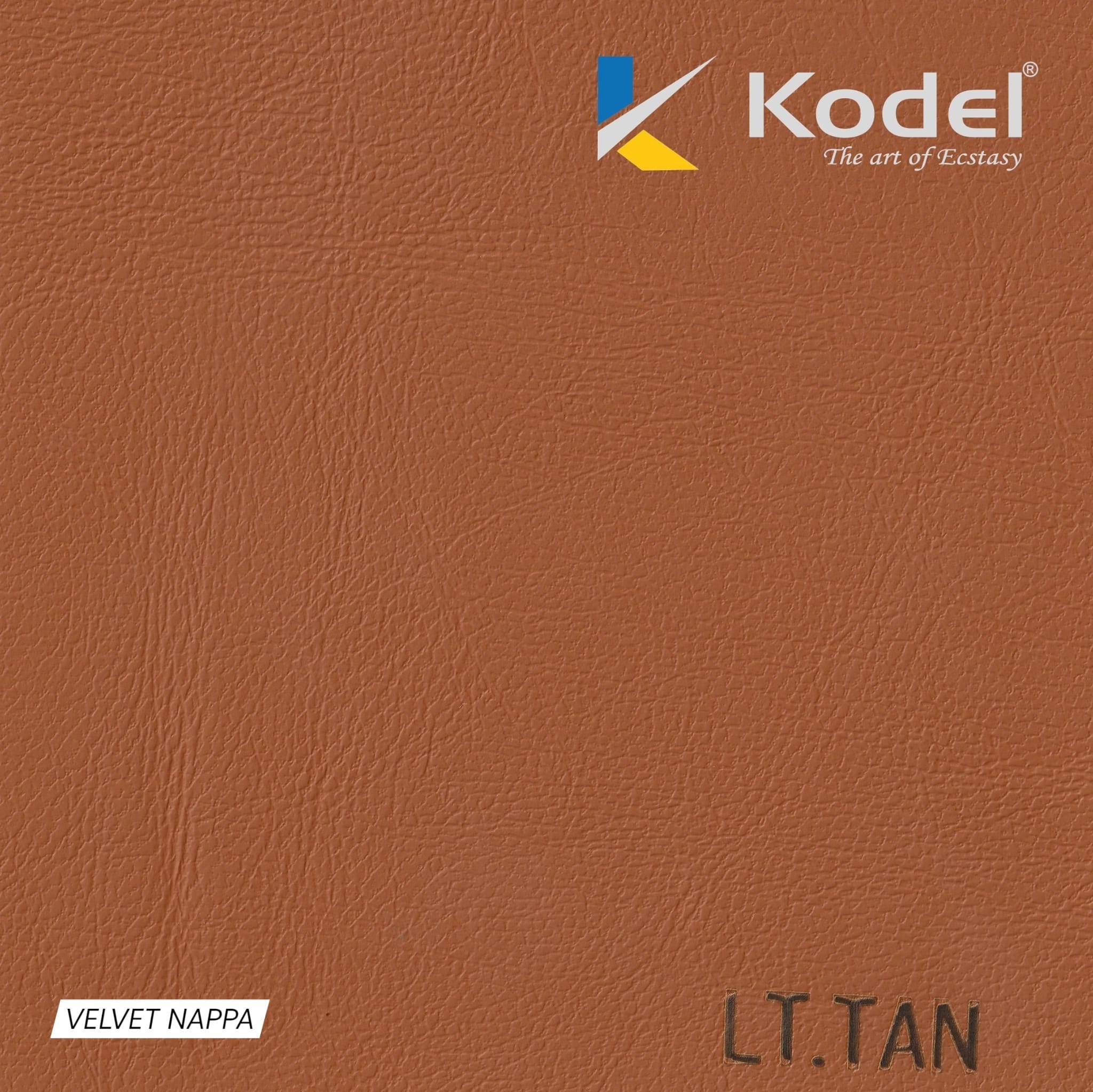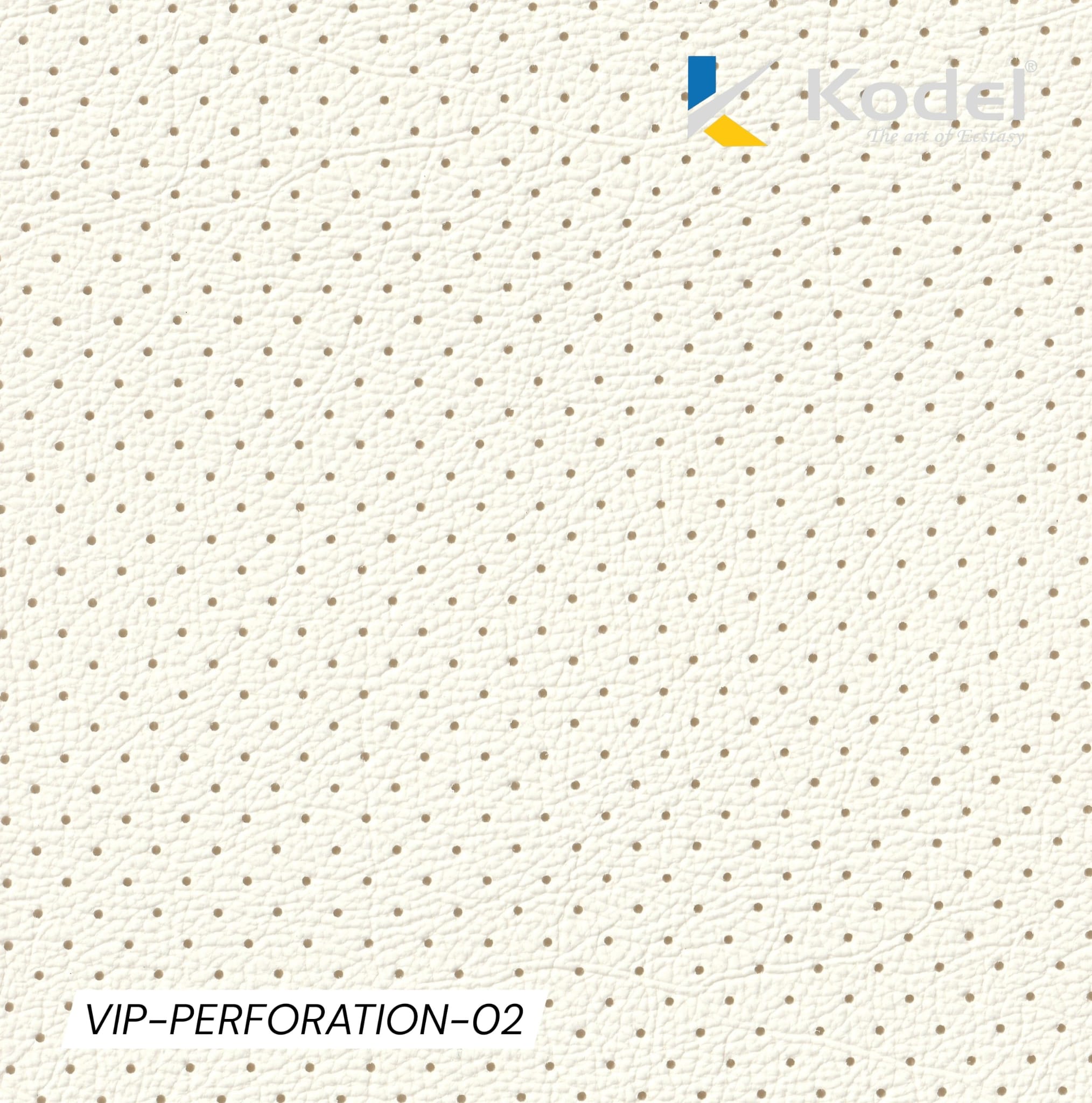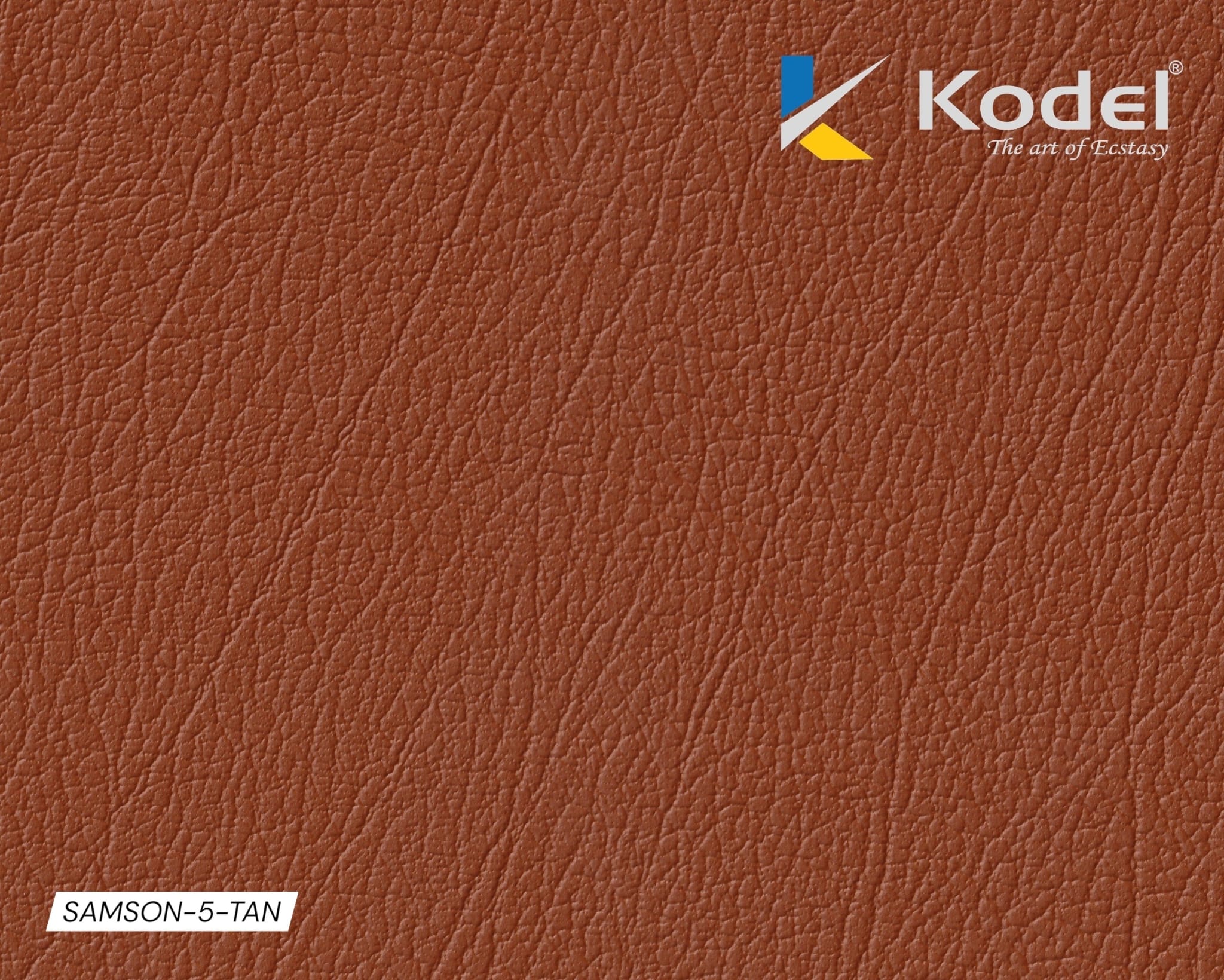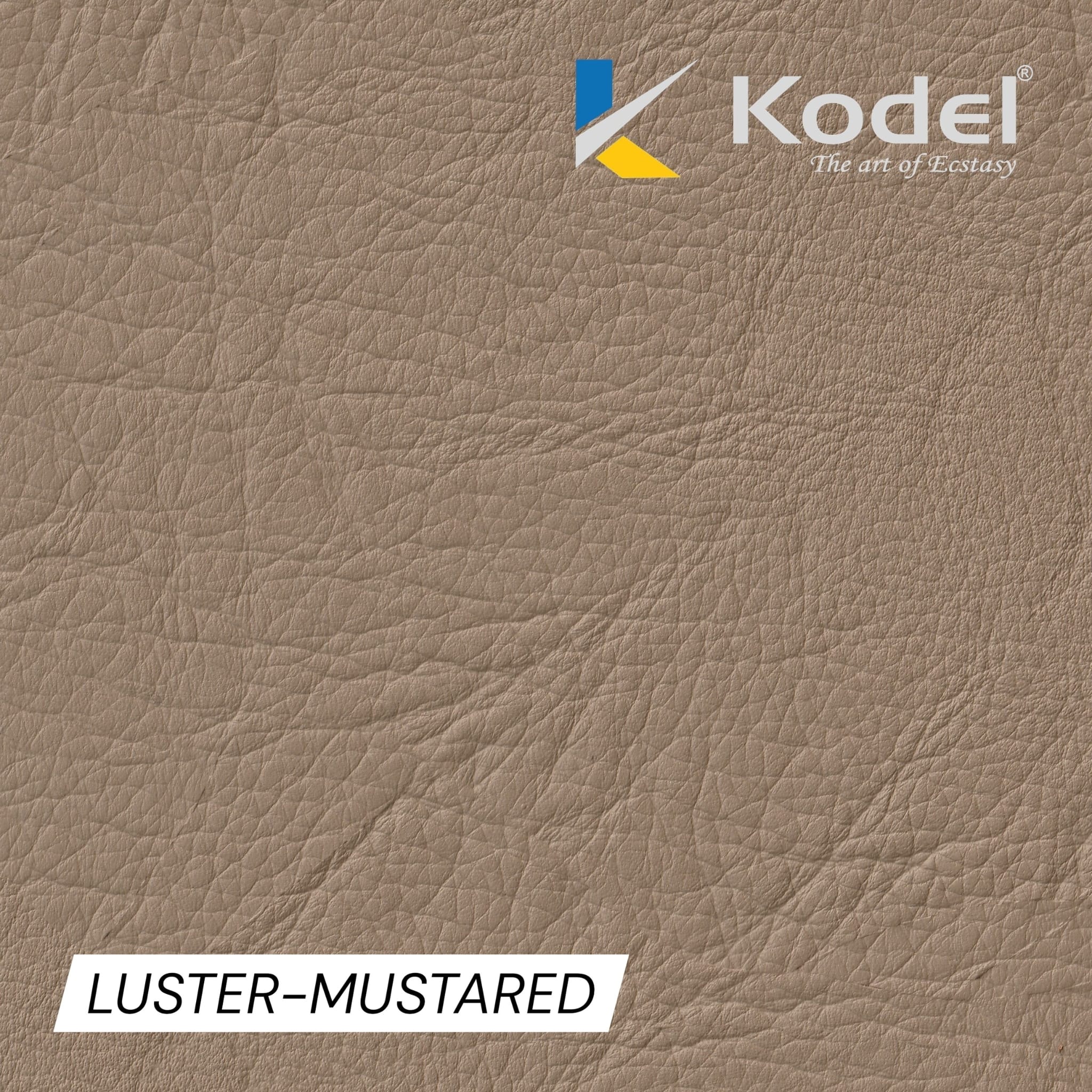
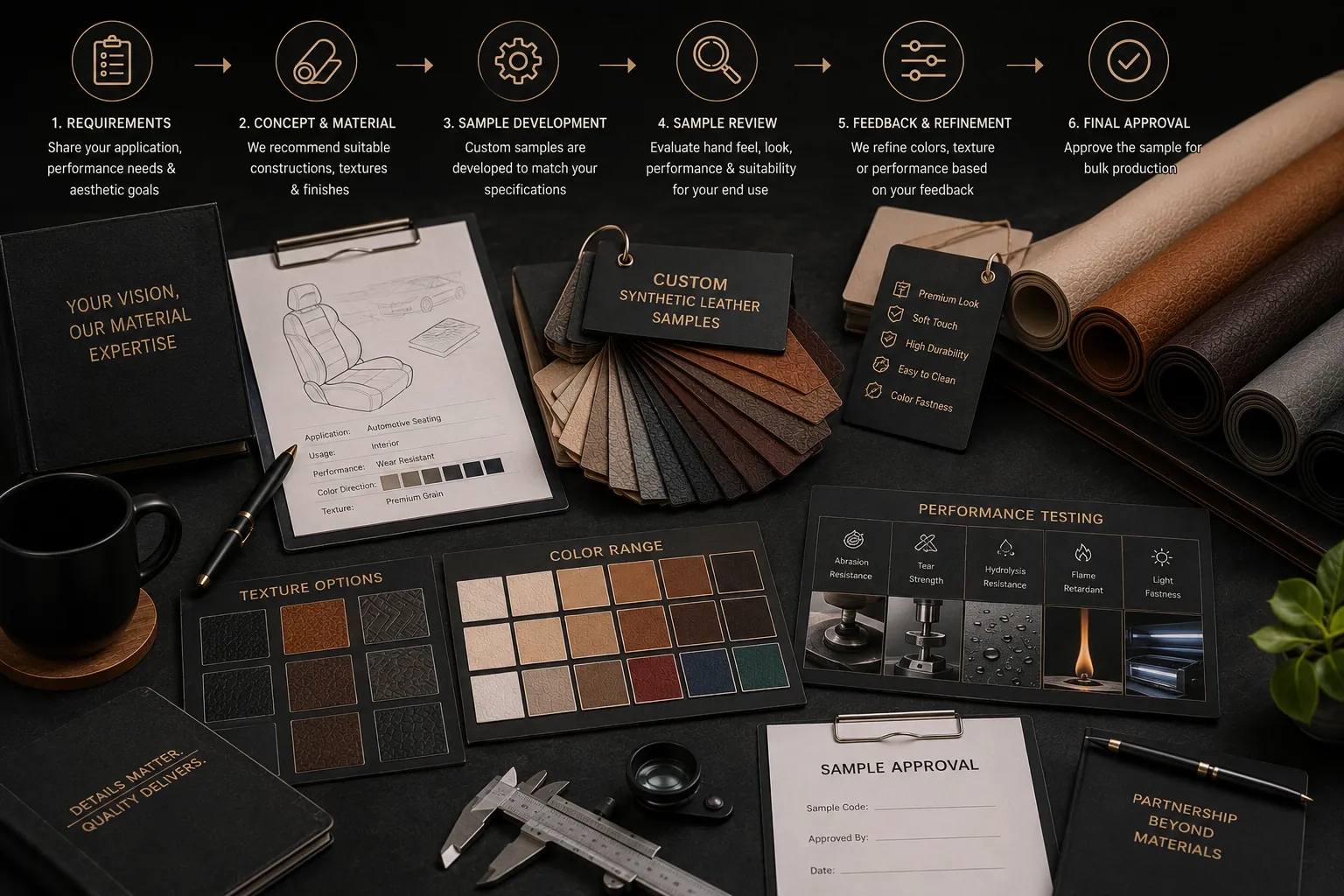
A buyer requesting a custom embossing pattern expects a sample back within days, then finds out the factory needs three weeks to cut a new engraving roller before anything can be produced. Another buyer submits a color match request without a physical reference swatch and receives a sample that misses the target shade entirely, costing a full development round to correct. Custom sampling has a predictable process with predictable timelines, and most frustration in it comes from buyers not knowing what to expect at each stage rather than the process itself being unreliable.
This guide walks through what actually happens between submitting a custom synthetic leather specification and receiving an approved sample ready for production, so buyers can plan realistic timelines and avoid the most common delays.
Why the Sampling Process Determines Whether an Order Goes Smoothly
Custom sampling exists to catch every mismatch between what a buyer specified and what a supplier can actually produce before either party commits to a full production run. Skipping steps in this process, or rushing through approval without checking every detail, tends to surface the same problems later at production scale, where they are far more expensive to fix than at the sample stage.
Step 1: Submitting Your Specification
A complete specification includes the base material type, whether PU, PVC, or microfiber, along with color reference, texture or embossing pattern, backing type, thickness, and intended end use. Providing a physical color reference, such as a Pantone code or an existing fabric swatch, rather than a photograph or verbal description, significantly reduces the number of adjustment rounds needed to hit the target shade.
Step 2: Development and First Sample Round
The supplier's technical team formulates the coating or fiber treatment to match the specification, which for a color match involves mixing pigments against the reference and for a new embossing pattern involves cutting or sourcing an engraving roller. This stage typically takes the longest of the entire process, since it involves actual production trials rather than administrative back-and-forth.
Step 3: Evaluating and Requesting Adjustments
Once the first sample arrives, evaluate it against the original specification under consistent lighting, ideally daylight-balanced, since color perception shifts noticeably under fluorescent or warm indoor lighting. Note specific, measurable adjustments, such as a shade being too warm or a texture depth being too shallow, rather than general feedback like it does not look right, since specific feedback produces faster and more accurate second rounds.
Step 4: Final Approval and Production Handoff
Once a sample is approved, request written confirmation of the exact formulation, color code, and specification that will be used for the production run, since this becomes the reference standard for any batch consistency dispute later. The approved sample itself should also be retained by the buyer as a physical reference for comparing delivered production material against what was actually agreed.
What Timeline to Expect
A straightforward color match against an existing texture typically moves faster than a request involving a new embossing pattern or a novel backing material, since the latter requires physical tooling changes rather than a formulation adjustment alone. Buyers should budget for at least one adjustment round beyond the first sample as standard practice, since very few custom specifications are approved on the first attempt, and build this into product launch timelines rather than treating it as a delay.
Common Sampling Mistakes to Avoid
Approving a sample without testing it under the conditions the final product will actually face, such as flexing, folding, or the specific lighting of a retail environment, is a frequent mistake that surfaces problems only after production. Skipping the second sample request to save time when the first round has an acknowledged flaw also tends to compound the issue rather than resolve it, since production-scale batches rarely correct a flaw that was visible in the sample stage.
Sampling Is Where Problems Get Cheap to Fix
Every adjustment made at the sample stage costs a fraction of what the same fix costs once a production run is already underway. Buyers who treat sampling as a formality to move through quickly tend to encounter the exact problems it was designed to catch, just later and at a higher cost, while buyers who evaluate each round carefully and provide specific feedback consistently reach production with fewer surprises.
A predictable, well-documented sampling process is also the clearest sign of a supplier worth building a long-term relationship with, since it shows the same discipline will carry through to the production batch itself.
Start Your Custom Sample Request
Kodel Decorative's Bangkok facility handles custom color matching, embossing, and backing specifications with a documented sampling process from first request to production handoff. Start your specification today: call 0 98 005 8863 or email kodeldecorative@gmail.com. Browse current textures for reference at kodeldecorative.com/collection.