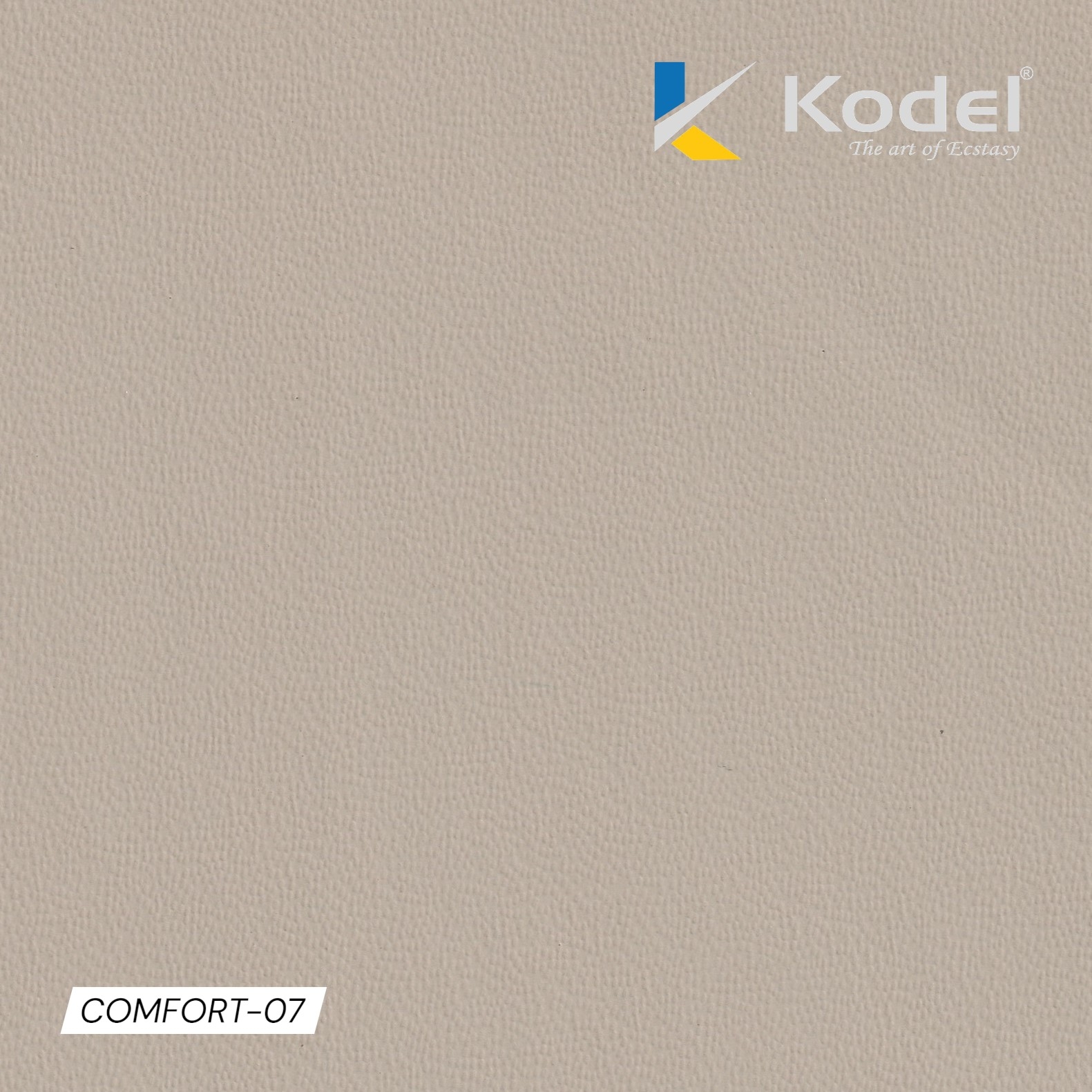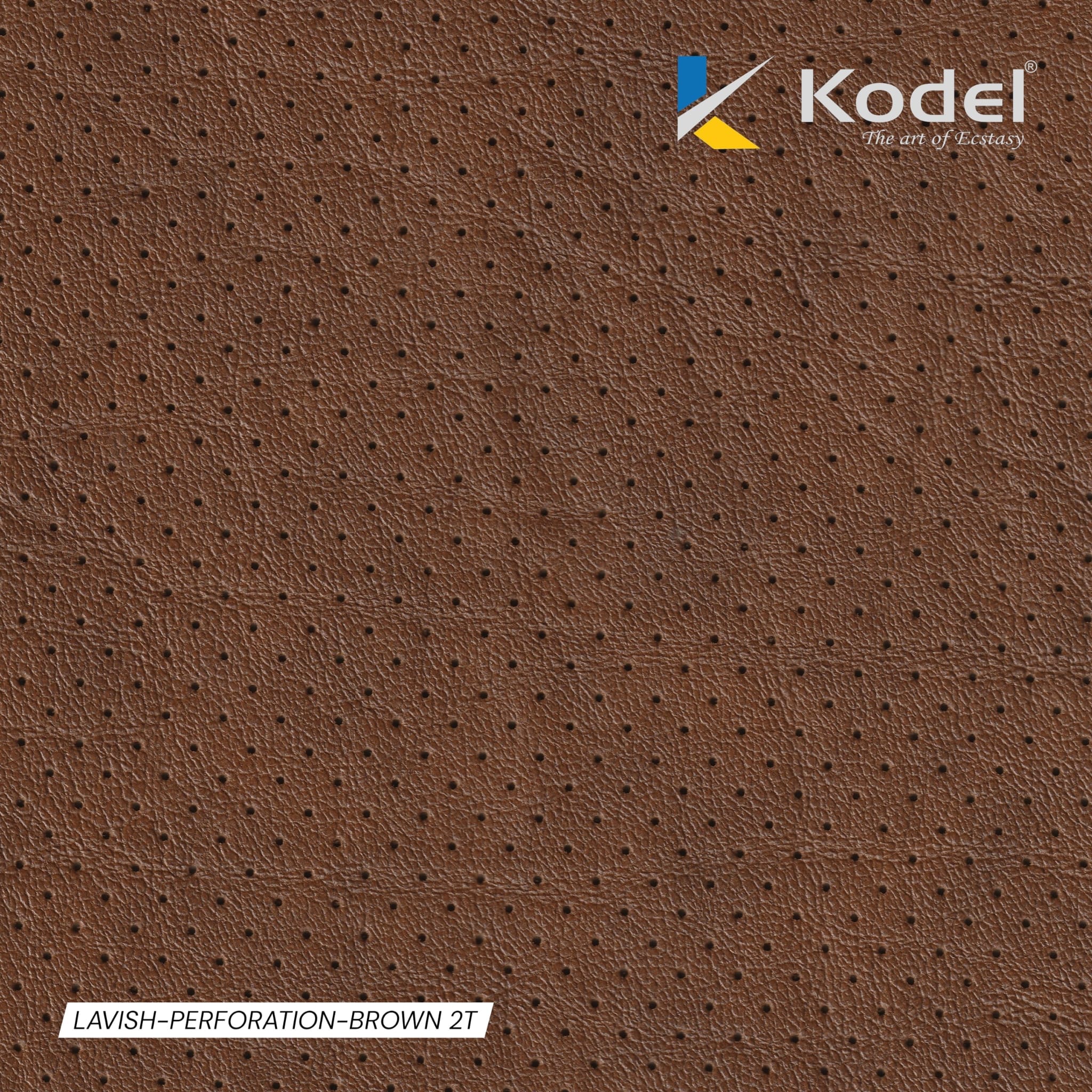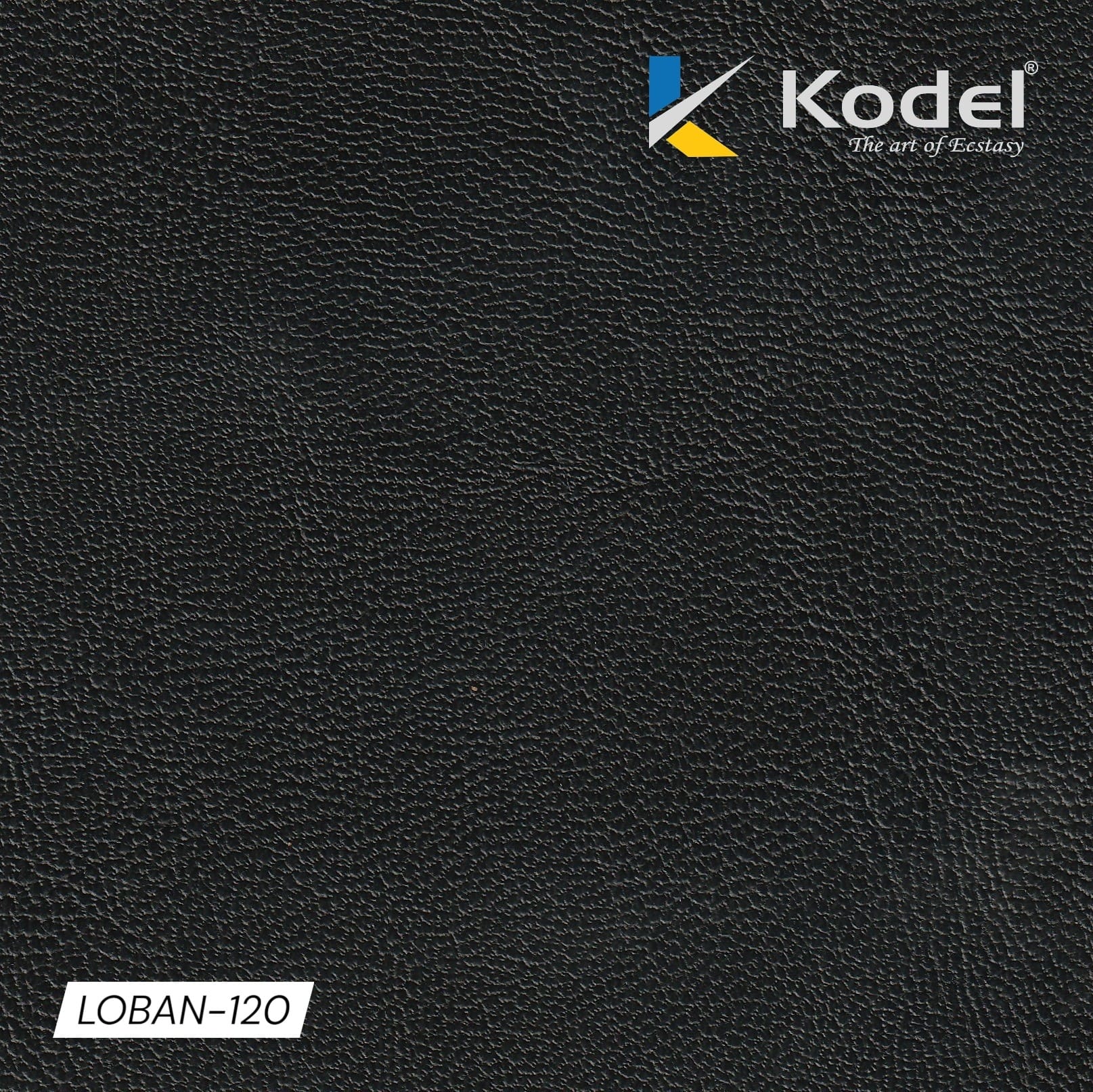
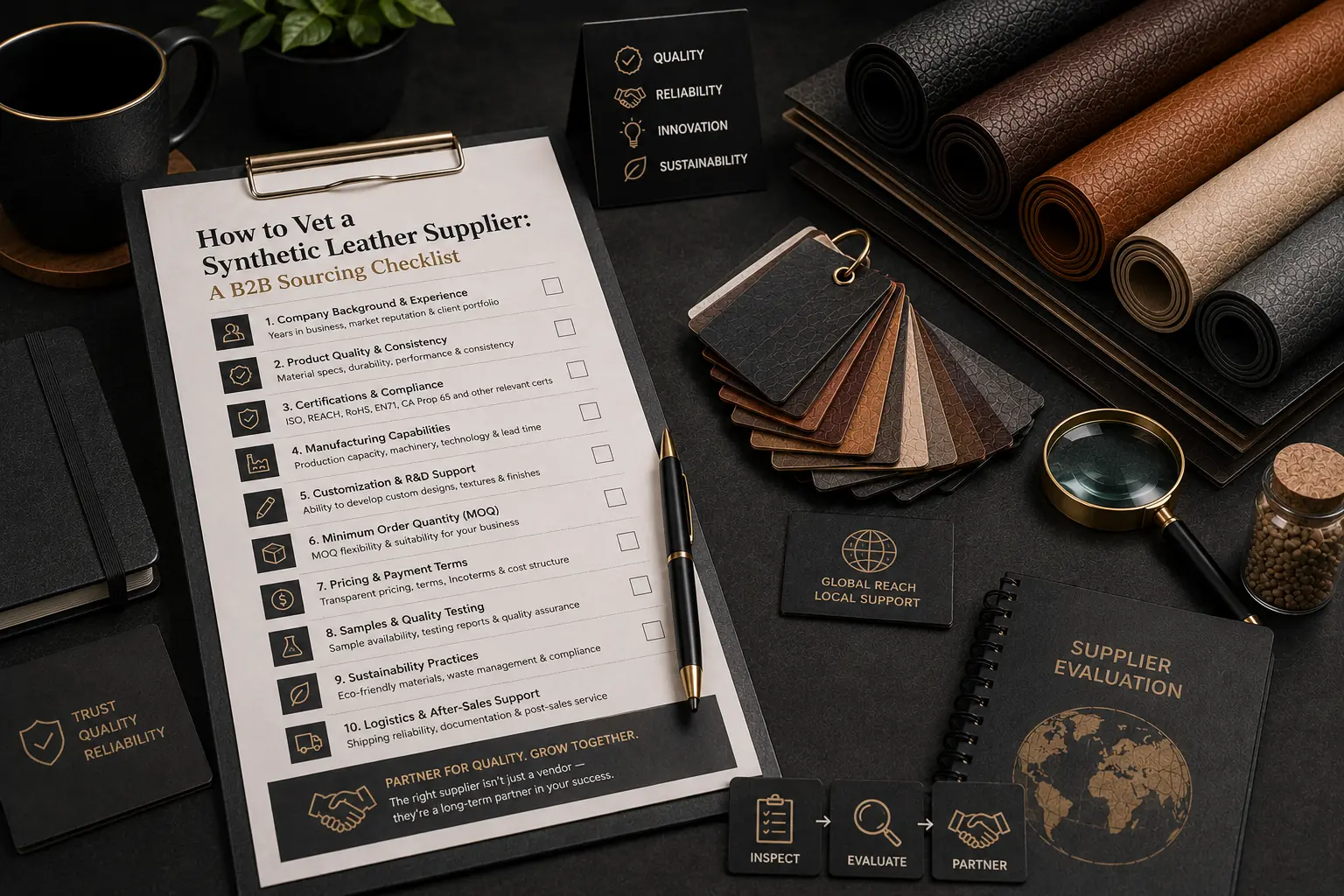
Sourcing synthetic leather sounds simple until you're the one signing off on a six-figure order and the roll that arrives doesn't match the swatch. For furniture, automotive, bag, and footwear manufacturers, the supplier you choose determines whether your production line runs smoothly or stalls waiting on rejected material. This checklist is built for procurement and product teams evaluating a new synthetic leather, PU leather, or PVC leather supplier for the first time.
Why Supplier Vetting Matters More in Synthetic Leather Than in Most Materials
Unlike commodity textiles, synthetic and artificial leather is a layered, engineered product a base fabric, a coating (polyurethane or PVC), a finish, and sometimes a topcoat treatment. Small variations in any layer change hand feel, abrasion resistance, colorfastness, and how the material performs after months of real-world use. A supplier who cannot explain their construction, or who cannot produce test data, is asking you to gamble on a variable you can't see until the goods are already on your cutting table.
1. Ask for Certification Before You Ask for Price
Price is the easiest number to compare and the least useful one on its own. Before requesting a quote, ask every candidate supplier for:
- REACH compliance documentation (required for EU export, and increasingly expected by US and UK buyers too)
- Phthalate-free certification, especially if your end product could reach children's markets
- Martindale abrasion test reports (rub count) relevant to your application furniture-grade and automotive-grade thresholds are different
- Colorfastness and UV resistance data if the product will see sunlight exposure
A supplier who hesitates or cannot produce these on request is telling you something important about how they operate.
2. Confirm Whether You're Buying From a Stockist or a Trading Company
The synthetic leather trade includes a large number of brokers who take orders, forward them to a factory, and add a margin without holding any inventory or technical knowledge themselves. This isn't necessarily dishonest, but it does mean longer lead times, less consistency between batches, and nobody on the other end who can answer a technical question about your specific application. Ask directly: does the supplier hold physical stock, and can you visit a showroom or warehouse to see it?
3. Match the Material Grade to Your Application
A supplier who tries to sell you one universal product for furniture, automotive, and marine use is oversimplifying. Each application has a different durability and environmental profile:
| Application | Priority Property | What to Ask For |
|---|---|---|
| Furniture | Soft hand feel, colour range | Martindale rub count, matte/embossed finish options |
| Automotive | UV and heat stability | UV test data, hydrolysis resistance |
| Marine / Outdoor | Waterproofing, mildew resistance | PVC-backed grades, thickness options |
| Bags & Footwear | Flexibility, lightweight structure | Tear strength, stitchability |
4. Test MOQ Flexibility Against Your Real Production Volume
Minimum order quantities vary widely between manufacturers and stocking suppliers. If you're prototyping a new product line, a supplier who insists on container-load minimums before you've validated the material is a poor fit. Ask specifically about sample quantities, initial production run quantities, and how those differ from their standard MOQ for repeat orders.
5. Request a Physical Sample Before Any Commitment
Photographs and digital swatches never fully represent hand feel, weight, or how a colour reads under different lighting. Any supplier worth working with will send physical swatches this is standard practice in the industry and a refusal to do so is a clear warning sign.
6. Watch for These Red Flags
- No fixed business address or showroom you can locate or visit
- Reluctance to provide REACH or test documentation in writing
- Pricing significantly below market average with no explanation
- No clarity on whether they hold stock or broker through a third factory
- Inconsistent responses about lead times between initial contact and quote stage
A Working Example of What Good Vetting Looks Like
Suppliers based in established manufacturing hubs like Bangkok, Thailand, often combine the two things procurement teams need most: proximity to ASEAN production networks and documented compliance for export markets.
Kodel Decorative, for example, operates a stocked Bangkok showroom and provides REACH certification and Martindale test reports on request the exact documentation this checklist recommends asking for before you commit to a supplier. Buyers evaluating a PU leather supplier in Thailand or a broader synthetic leather manufacturer in Thailand can use this exact checklist as a starting point for their own comparison.
Final Word
A synthetic leather supplier relationship is not a one-time transaction it's an ongoing dependency for your production schedule. The extra week you spend vetting certifications, testing samples, and confirming stock availability is far cheaper than a rejected shipment or a compliance failure discovered after your product has already shipped to an export market.