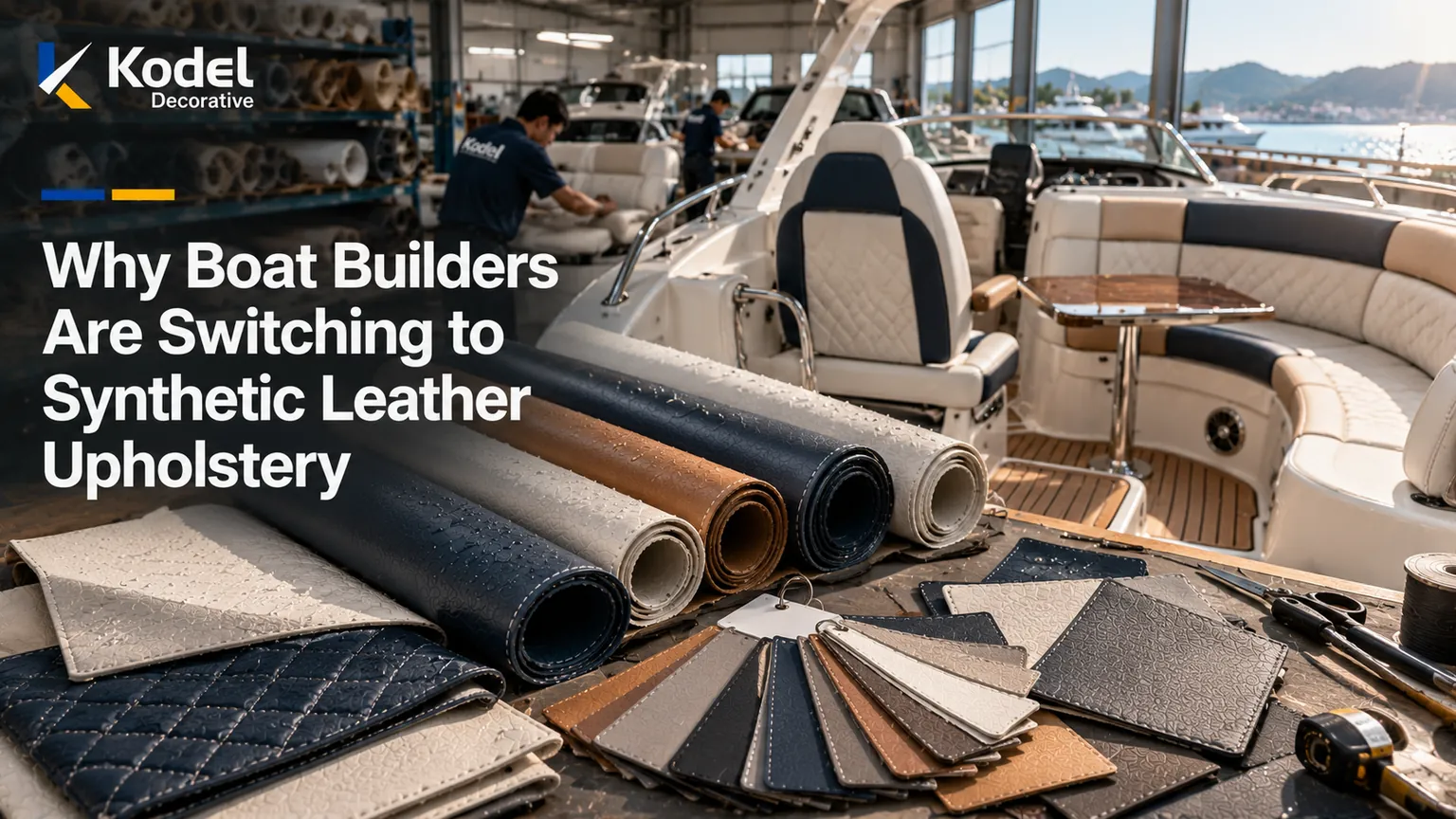
For decades, marine vinyl was the default answer to boat upholstery, valued for its water resistance and low cost. In 2026, a growing share of boat builders, from small custom yards to larger production manufacturers, are specifying synthetic leather instead, drawn by a softer hand-feel, better UV-stabilized coatings, and a finish quality that closes the gap with premium automotive and furniture interiors. This is not a passing trend; it reflects real improvements in how marine-grade synthetic leather is formulated and tested.
Understanding what is actually driving this shift helps boat builders evaluate whether synthetic leather is the right move for their own upholstery specifications.
Marine Vinyl's Limitations That Builders Are Moving Away From
Traditional marine vinyl, while genuinely water resistant, tends to feel stiffer and less premium underhand than modern synthetic leather, and its surface finish often reads as more utilitarian than the interior quality boat buyers increasingly expect. Standard marine vinyl can also stiffen and crack over time under sustained UV exposure if not properly stabilized, a failure mode boat owners notice quickly on frequently used seating.
Improved UV and Salt Stabilization in Modern Formulations
Marine-grade synthetic leather formulations have improved significantly, with UV stabilizing additives and salt-resistant coatings now standard in properly specified marine material rather than an upgrade option. Our synthetic leather B2B sourcing guide covers the broader manufacturing advances behind this shift toward more durable synthetic leather across categories, marine included.
A Premium Hand-Feel That Matches Interior Expectations
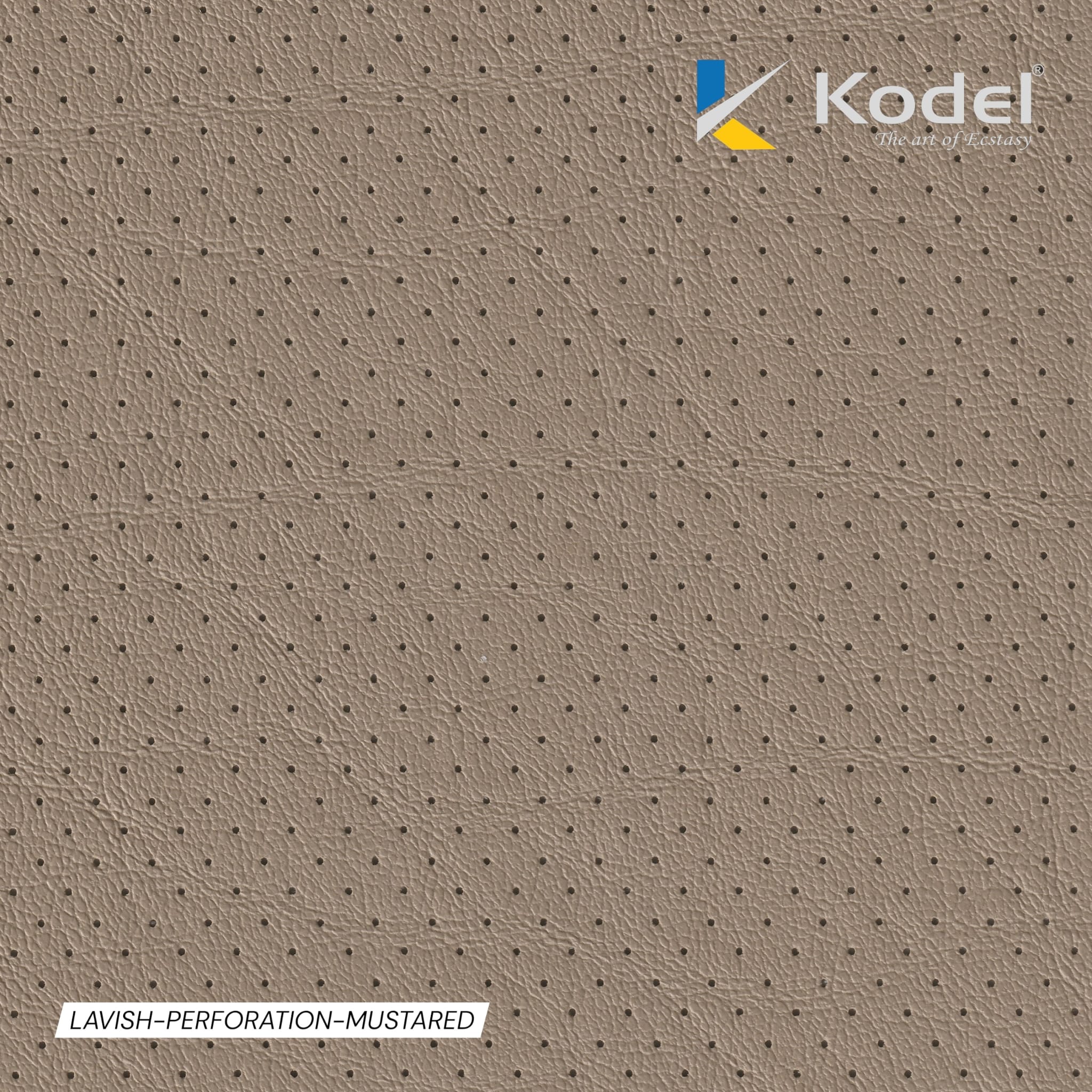
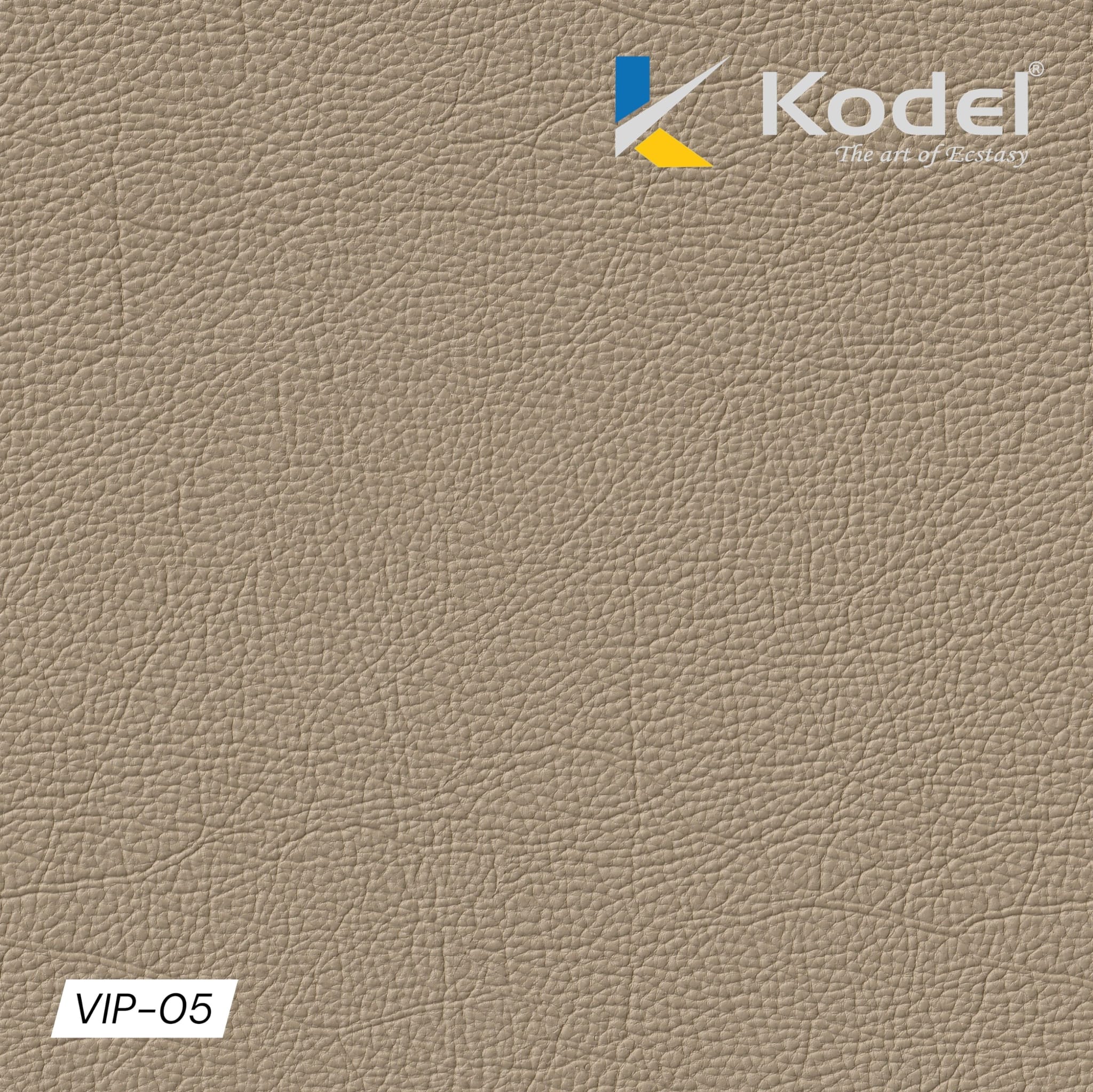
Boat buyers, particularly in the mid-range and premium segments, increasingly expect an interior finish quality comparable to a well-appointed car or upscale furniture, a standard that traditional marine vinyl's stiffer feel does not fully meet. Synthetic leather's softer hand-feel and finer embossed grain options let builders deliver that premium interior impression without switching to a material that cannot survive marine conditions.
Consistency and Color Range Across Larger Production Runs
Production boat builders benefit from synthetic leather's manufactured consistency across large orders, avoiding the batch-to-batch variation that can occur with some traditional vinyl suppliers. Buyers evaluating this transition should review our 10 questions to ask before a wholesale leather order before switching suppliers, since the same due diligence applies whether sourcing vinyl or synthetic leather.
Where the Switch Makes the Most Sense
The switch to synthetic leather makes the most sense for boat builders targeting mid-range to premium segments where interior finish quality is a competitive differentiator, and for any builder frustrated with marine vinyl's stiffer feel or inconsistent batch quality. A pu leather supplier thailand experienced in marine-grade formulation can typically walk builders through a direct comparison before committing to a full production switch.
A Practical Upgrade, Not Just a Trend
The shift toward synthetic leather in boat upholstery reflects genuine improvements in marine-grade formulation, not just changing style preferences. Builders who specify properly UV-stabilized, salt-resistant synthetic leather are getting a material that matches or exceeds marine vinyl's core durability while closing the finish-quality gap with premium interiors.
Explore Marine-Grade Options
Kodel Decorative supplies marine-grade synthetic leather formulated for UV and salt resistance from its Bangkok facility, ready to compare against your current marine vinyl specification. Request samples: call 0 98 005 8863 or email kodeldecorative@gmail.com. Browse the marine grade leather collection.