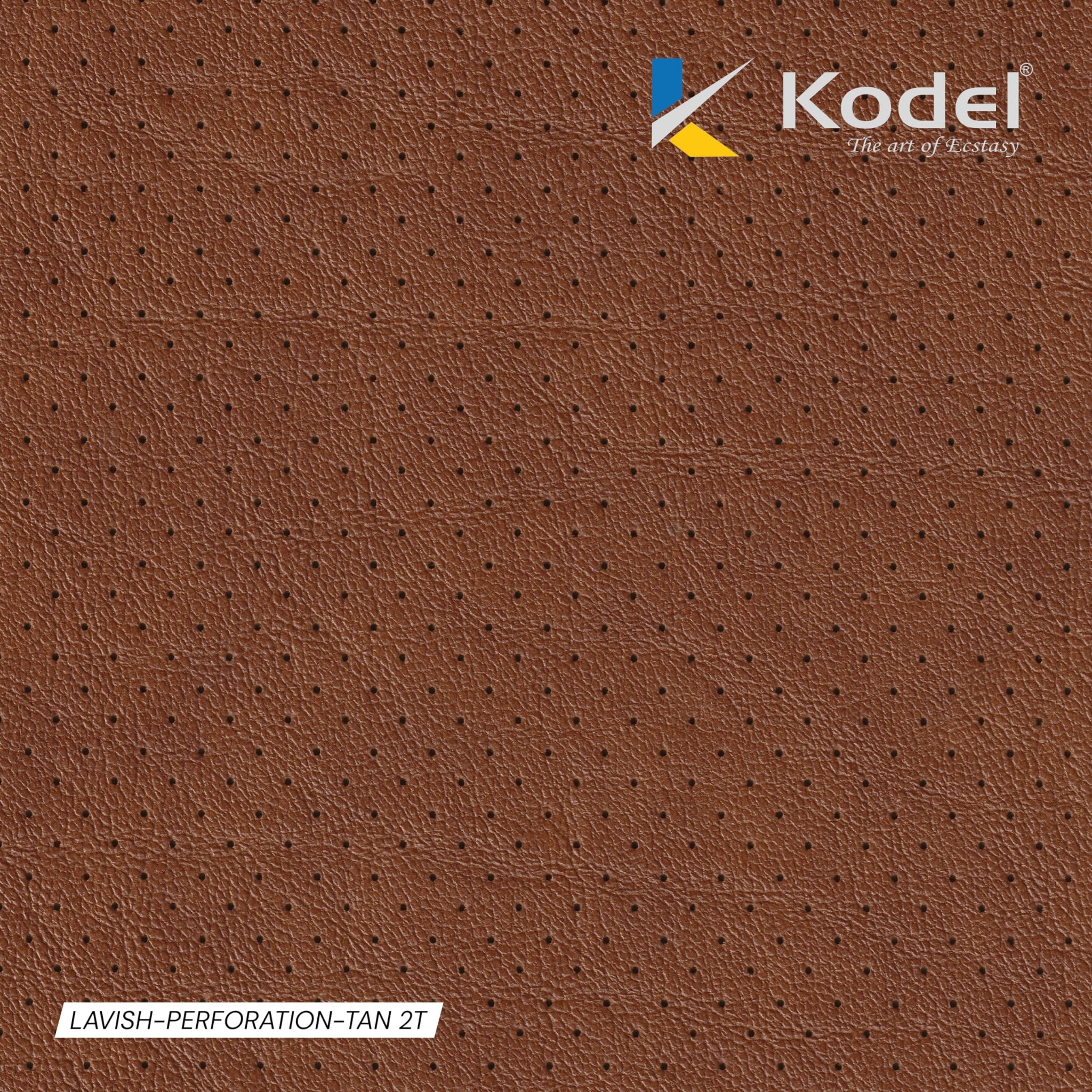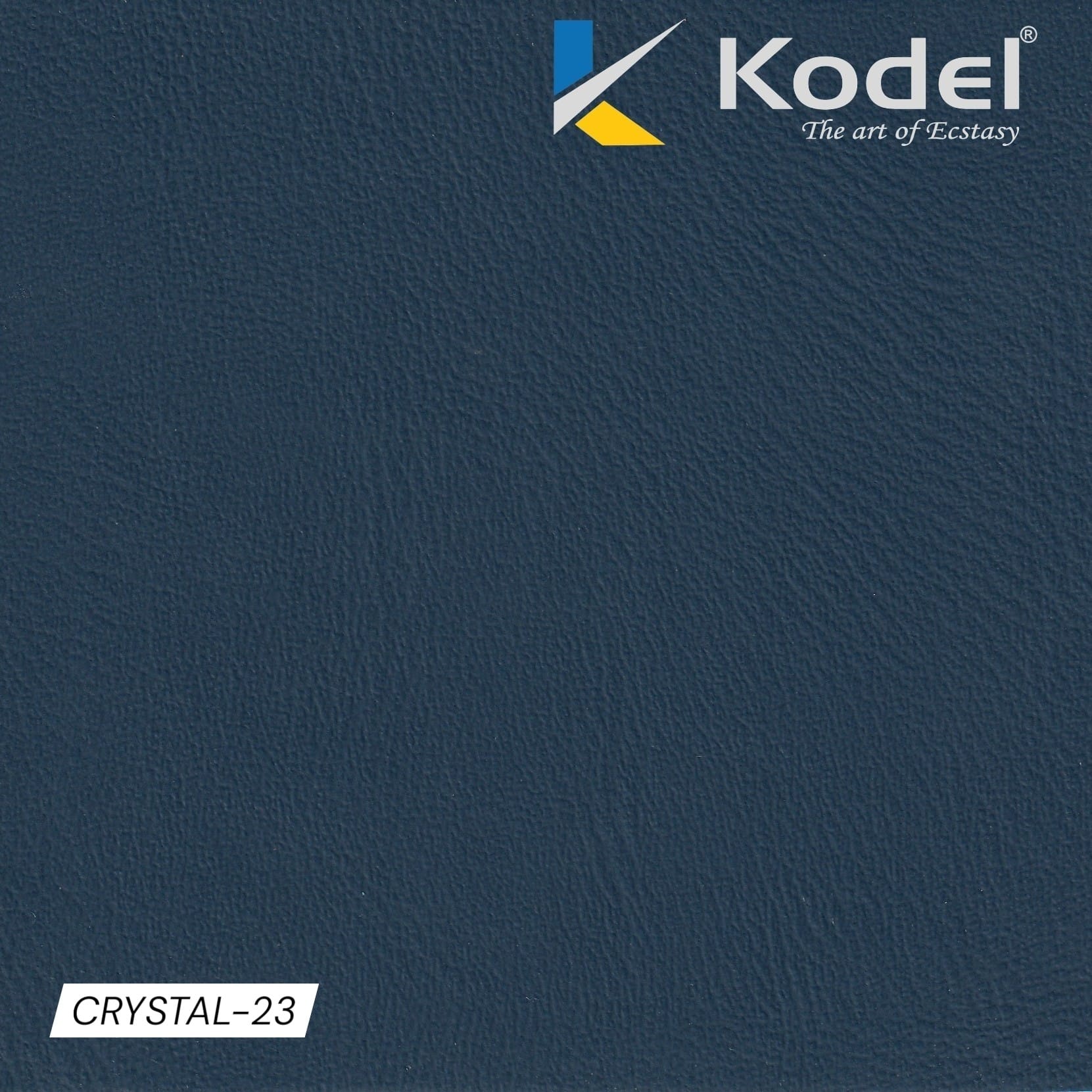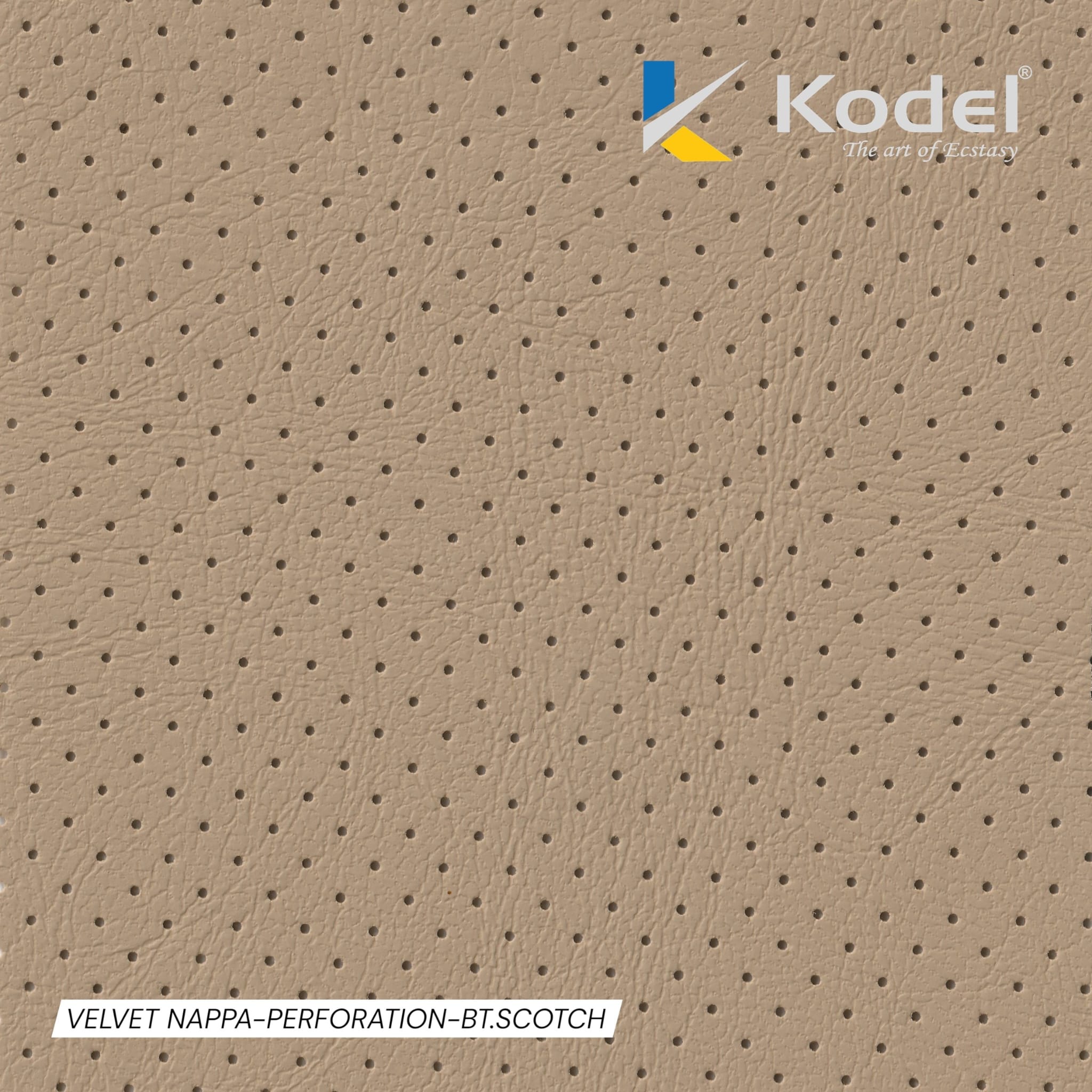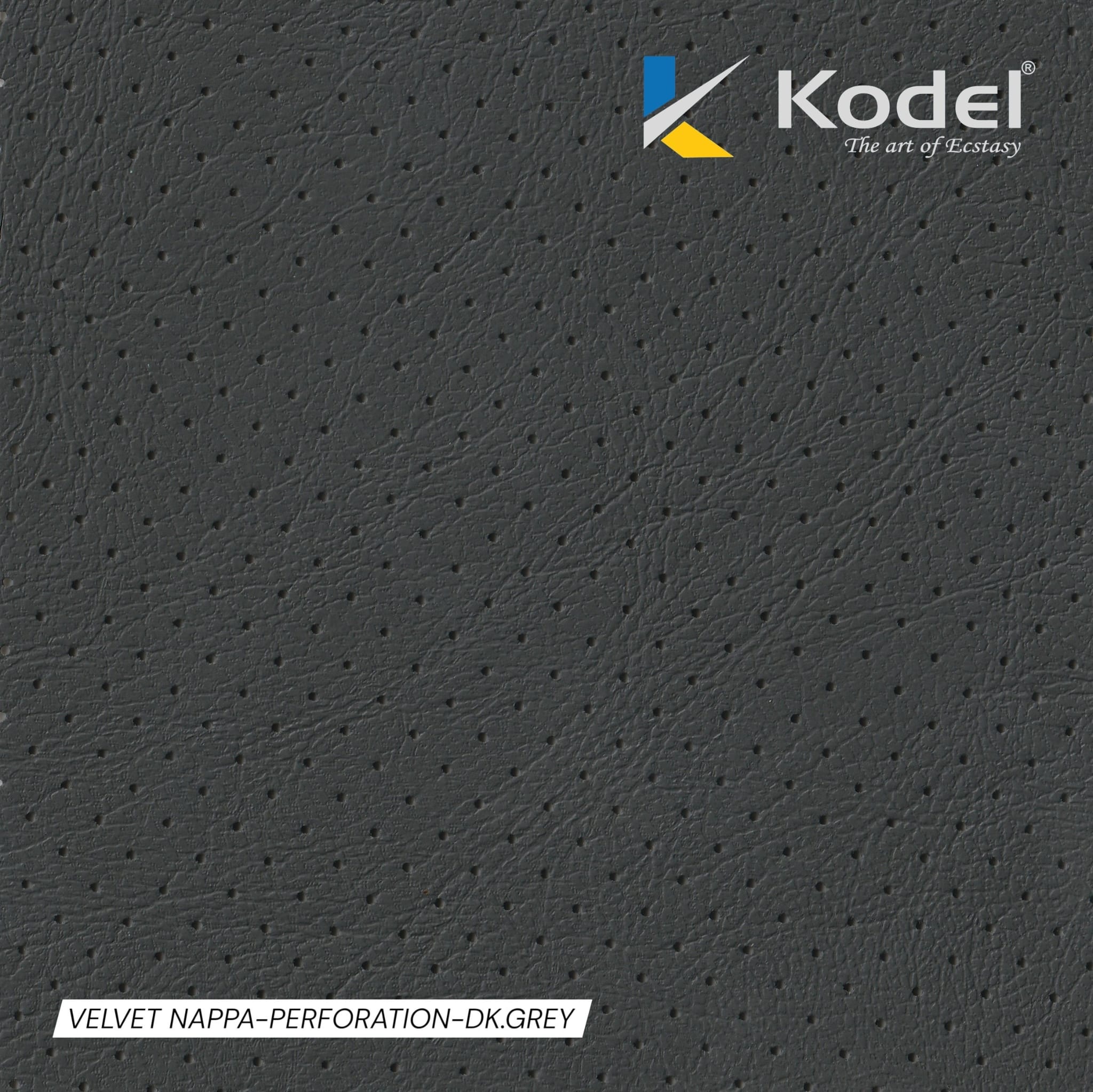
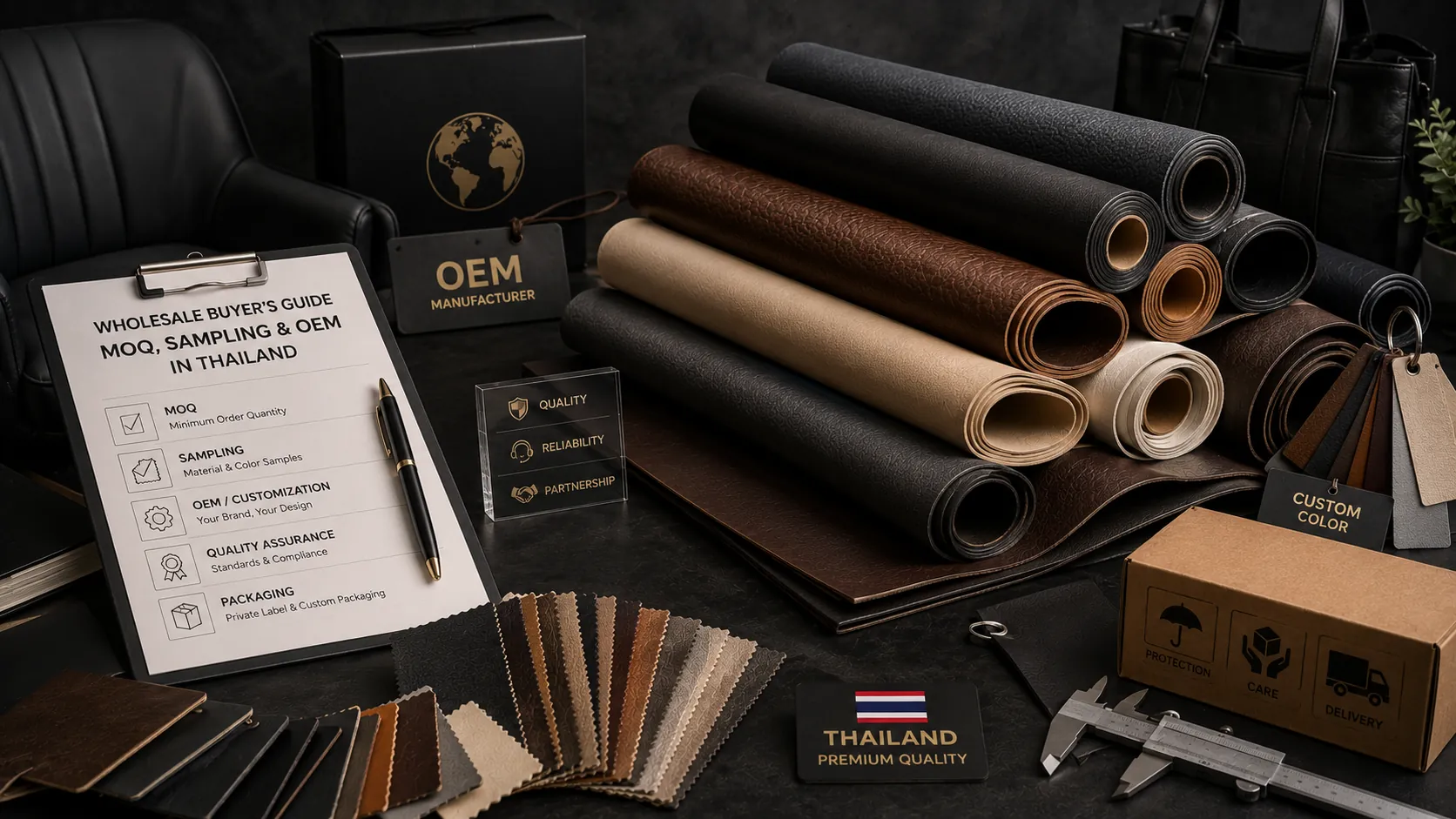
A first-time buyer emails a Thai synthetic leather factory asking for pricing and receives a quote with no mention of minimum order quantity, sample lead time, or OEM options. A returning buyer, by contrast, already knows to ask for all three in the first message, because the answers determine whether a supplier can actually support their production timeline. The gap between those two buyers is not experience with leather; it is familiarity with how wholesale sourcing actually works.
This guide walks through the three variables that shape every wholesale synthetic leather order from Thailand: minimum order quantity, the sampling process, and OEM or private-label flexibility. Each section covers what to expect, what to ask, and where buyers commonly get it wrong.
Why Wholesale Buyers Need a Structured Sourcing Process
Sourcing synthetic leather at wholesale volume differs fundamentally from a retail or small-batch purchase, because errors in specification or timing compound across an entire container rather than a single unit. A supplier relationship built on a structured process, covering MOQ, sampling, and OEM terms agreed upfront, reduces the chance of a costly surprise appearing only after a purchase order has already been placed.
Buyers who treat their first inquiry as a one-time transaction, rather than the start of a recurring relationship, tend to skip steps that matter more with each subsequent order: documented terms, consistent point of contact, and a clear escalation path if a batch does not match the approved sample.
Understanding MOQ for Synthetic Leather in Thailand
Minimum order quantity in synthetic leather manufacturing is typically set at the level needed to run a coating or embossing line efficiently, which means MOQ varies by whether a buyer is ordering from existing stock colors or requesting a custom formulation. Ready-stock colors and textures generally carry a lower MOQ since the material already exists in inventory, while custom colors, embossing patterns, or backing specifications require a minimum production run to justify setting up the line.
Ready-Stock Versus Custom MOQ
A buyer ordering an existing texture in an existing color from a supplier's current collection can often secure smaller quantities than a buyer requesting a new color match or a custom embossed pattern, since ready-stock orders draw from material already produced rather than triggering a new production run. Confirming which category an order falls into, before requesting a quote, prevents a mismatch between expected and actual minimum volumes.
How MOQ Affects Pricing
Per-meter pricing typically decreases as order volume increases, since fixed setup costs for coating and finishing spread across more material. Buyers placing an order right at the MOQ threshold should expect pricing closer to the higher end of a supplier's range, with better rates available at meaningfully larger volumes.
The Sampling Process: What to Request and How to Evaluate It
Sampling exists to catch mismatches between what a buyer expects and what a supplier can actually deliver at scale, and skipping it or rushing through it is the single most common mistake among first-time wholesale buyers. A complete sampling request should specify texture, color code, thickness, and backing type, along with the intended end use, so the supplier can flag any known limitations before cutting the sample.
What a Good Sample Package Includes
Request cut pieces large enough to test stitching, folding, and abrasion behavior, not small color chips meant only to confirm shade. A thorough sample package also includes any relevant certification documents, such as REACH compliance or fire rating test results, rather than requiring a separate follow-up request.
Testing for Batch Consistency
Requesting the same texture and color code on two separate occasions, spaced weeks apart, and comparing the two samples directly reveals whether a supplier's batch control is reliable. Noticeable drift between two supposedly identical samples is an early warning sign that will likely worsen once the order scales to production volume.
OEM and Private-Label Options Explained
OEM sourcing allows a buyer to specify a custom color, texture, embossing pattern, or backing material rather than selecting from a supplier's existing collection, which is particularly relevant for brands building a differentiated product line rather than sourcing generic material. Private-label packaging and branding, where the finished rolls or cut pieces carry the buyer's own labeling rather than the manufacturer's, is typically available as a separate add-on to OEM material development.
What OEM Development Usually Requires
Custom OEM development generally requires a higher MOQ than ready-stock ordering, since the supplier needs to formulate, test, and approve a new specification before running a full production batch. Buyers should budget for a development sample round, typically involving one or two rounds of adjustment before the final formulation is locked, ahead of the main production order.
Pricing, Payment Terms, and Lead Time
Standard payment terms for wholesale synthetic leather orders from Thailand typically involve a deposit at order confirmation and the balance due before or upon shipment, though exact terms vary by supplier and order history. Lead time depends heavily on whether the order draws from ready stock or requires new production, with ready-stock orders shipping considerably faster than custom OEM runs that require line setup and curing time.
Getting Terms Confirmed in Writing
Every commitment on price, MOQ, lead time, and defect tolerance should appear in a formal quotation or pro forma invoice before any deposit is paid. A supplier hesitant to put terms in writing, or who repeatedly changes verbally stated terms, is signaling a level of risk that should factor into the sourcing decision.
Common Mistakes First-Time Wholesale Buyers Make
Skipping the sampling stage entirely to save time is the most frequent and costly mistake, since it removes the only checkpoint that catches a specification mismatch before a full production run. Assuming MOQ is negotiable without confirming it directly, and discovering only after negotiation that a supplier's stated minimum was firm, also derails project timelines unnecessarily.
Underestimating lead time for custom OEM development, and building a product launch timeline around ready-stock speeds, is another common planning error. Buyers who confirm production timelines for their specific order type, rather than assuming a general industry average, avoid this mismatch entirely.
Buy Like You Plan to Reorder
The buyers who get the best terms and the fewest surprises from Thai synthetic leather suppliers are the ones who approach the first order as the start of a relationship rather than a single transaction. Confirming MOQ before requesting a quote, testing batch consistency across multiple samples, and getting every term in writing are not extra steps for cautious buyers; they are the standard process for anyone planning to reorder.
A supplier that handles all three, ready-stock, sampling, and OEM development, under one roof removes the coordination overhead of managing separate vendors for each stage of a growing product line.
Start Your Wholesale Order with Kodel Decorative
Kodel Decorative supports ready-stock orders, custom sampling, and full OEM development from its Bangkok manufacturing facility. Request MOQ, sample terms, and OEM pricing directly: call 0 98 005 8863 or email kodeldecorative@gmail.com. Visit kodeldecorative.com/collection to review current stock before your first wholesale inquiry.