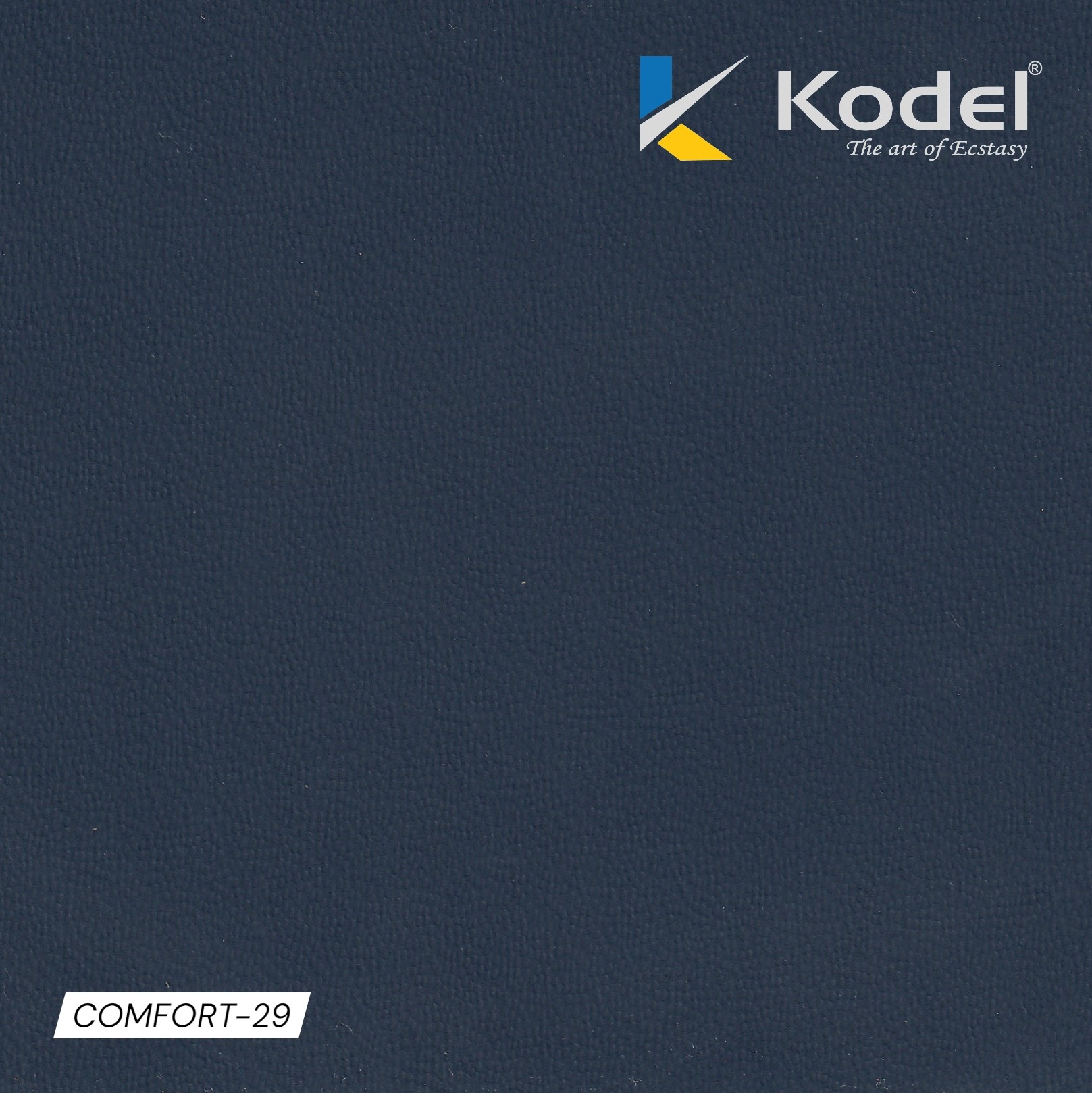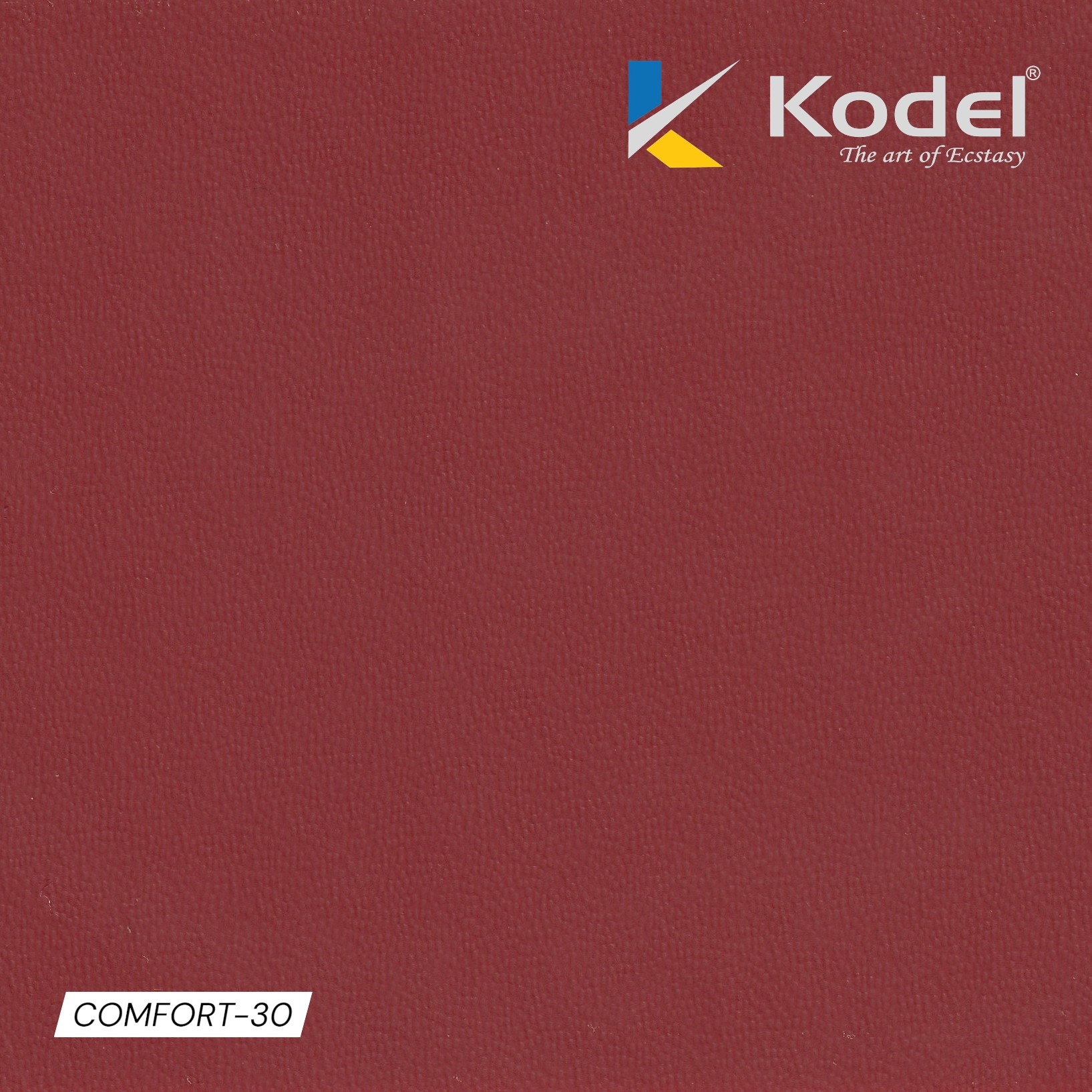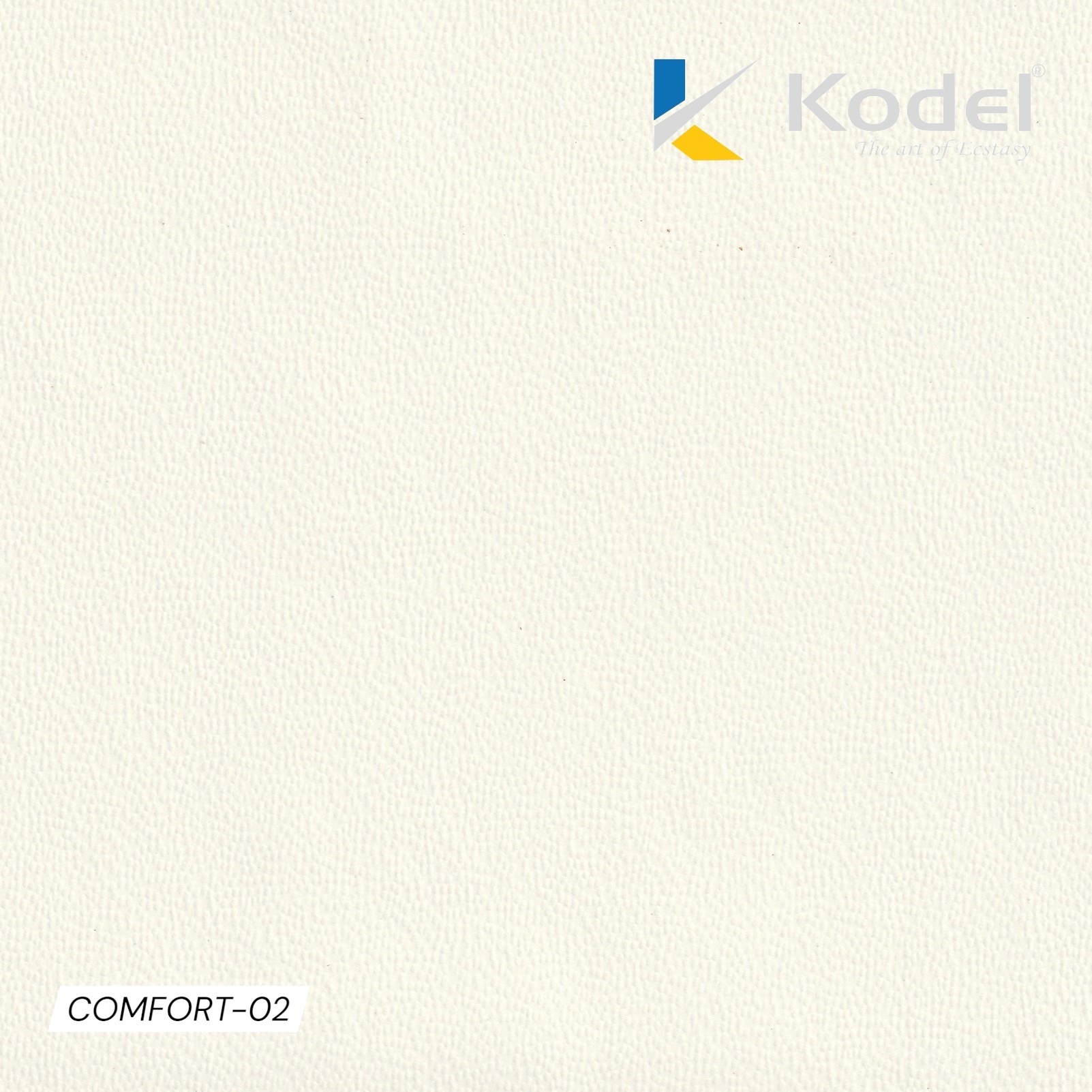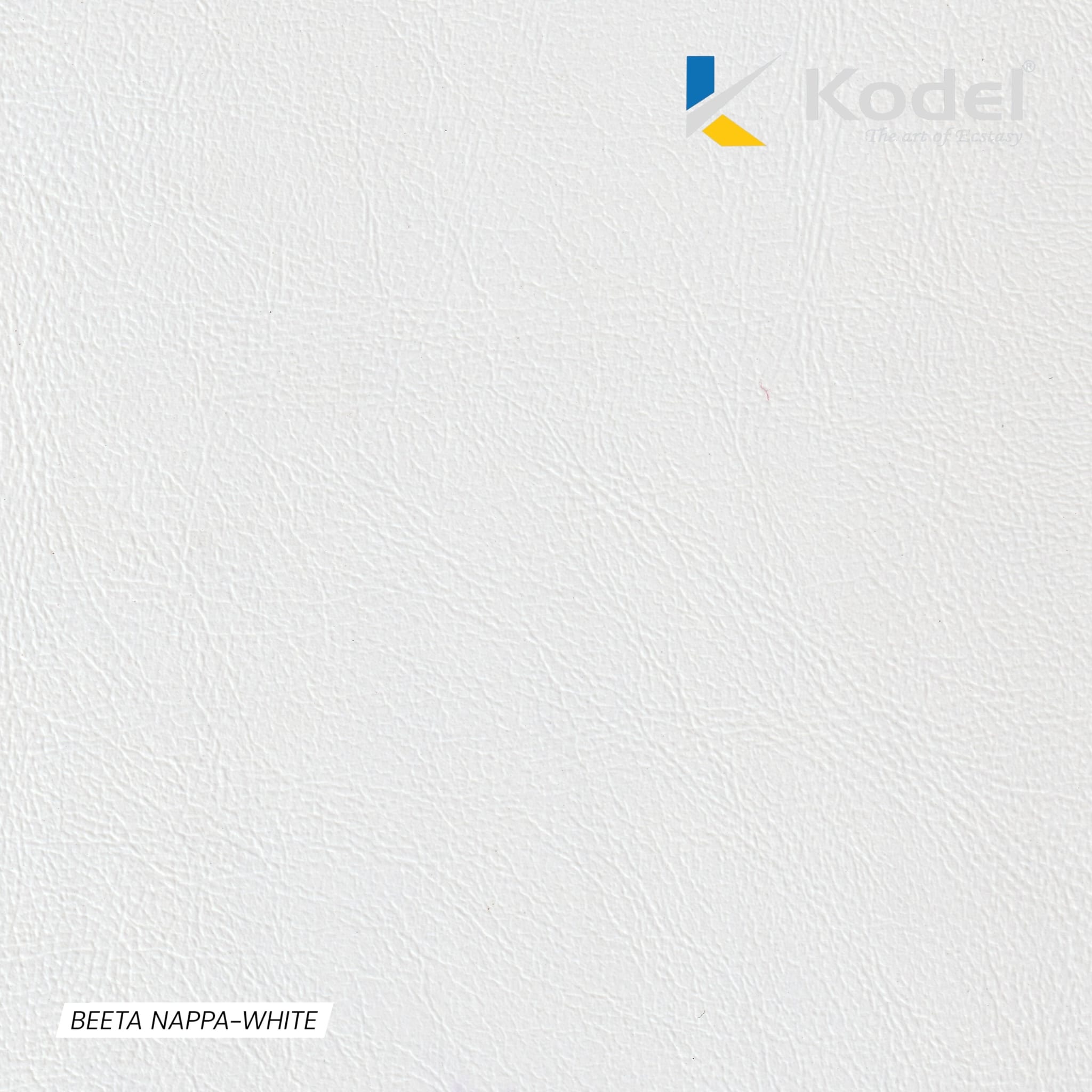
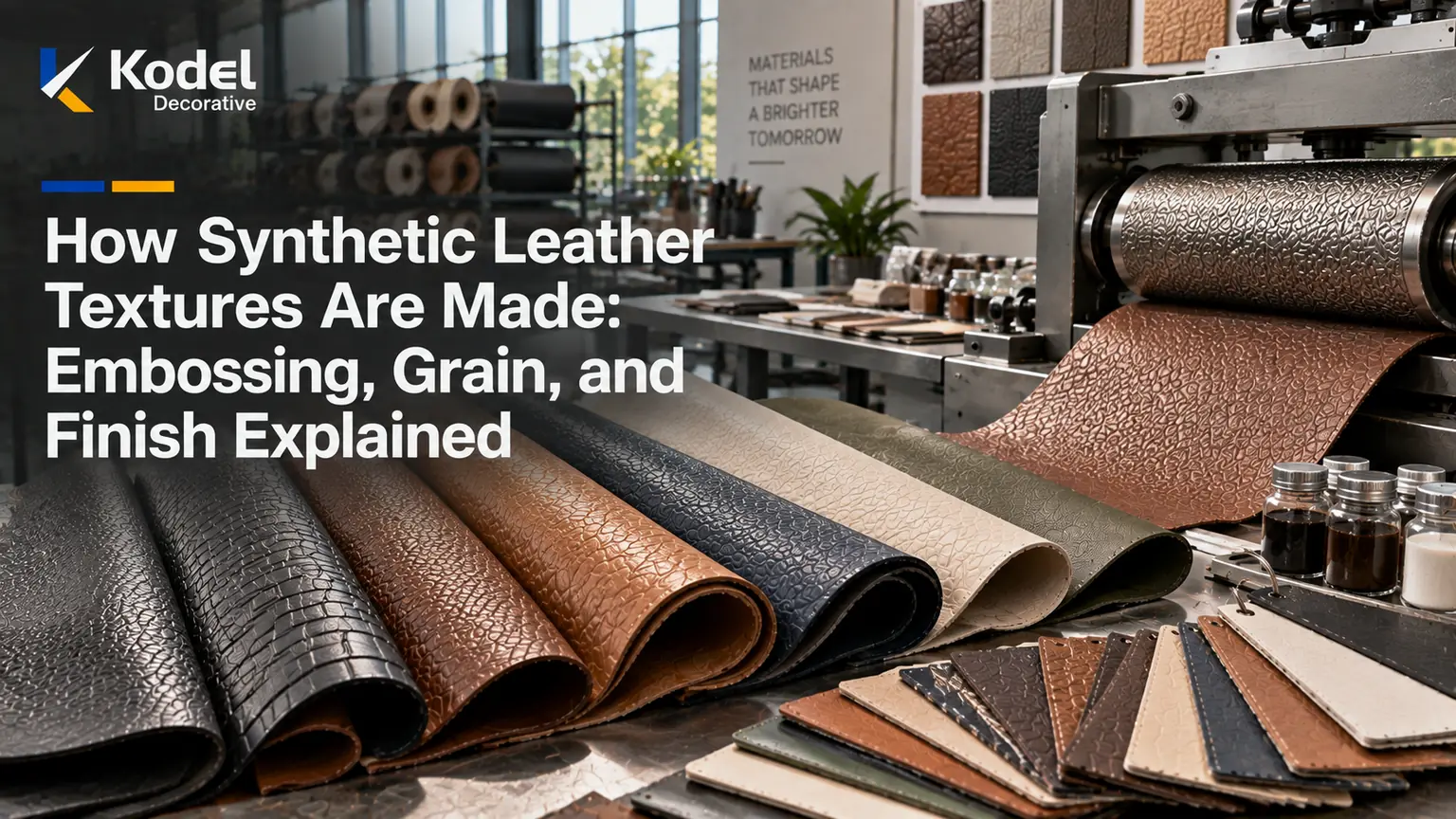
A designer looking at a catalog of embossed leather swatches rarely sees the actual manufacturing step that produced each grain pattern, yet understanding that process is what makes it possible to request a genuinely custom texture rather than choosing only from what already exists. An oem synthetic leather manufacturer that can walk a buyer through this process directly, rather than treating it as proprietary information, makes custom texture development considerably more approachable.
This guide explains how synthetic leather textures actually get made, from the embossing step through to the final finish coating, so buyers understand what they're actually requesting when they ask for a specific grain or finish.
The Embossing Process: How Grain Patterns Are Created
Embossing presses a patterned metal roller into the coated surface of the material while it is still warm and pliable, physically stamping the grain texture into the coating before it fully cures. The depth, spacing, and irregularity of the pattern engraved into that roller determines everything from a subtle, fine-grain finish to a deep, pronounced pebble texture.
How Grain Depth Affects Appearance and Feel
Shallow embossing produces a smoother, more refined surface that reads as modern and understated, while deeper embossing creates more pronounced shadow and texture under angled light, giving a more traditional or rustic appearance. Grain depth also affects durability slightly, since a deeper pattern in a thicker coating, such as PVC, tends to hold its definition longer than the same pattern embossed into a thinner PU coating.
Finish Coating: Matte, Semi-Gloss, and Glossy Layers
After embossing, a topcoat finish is applied to control surface sheen and add a final layer of abrasion and stain resistance, with the specific formulation determining whether the surface reads as matte, semi-gloss, or fully glossy. Our PU vs PVC vs microfiber grades covers how base material choice interacts with this finishing step to produce different final results.
Color Application: Where Dye and Pigment Enter the Process
Color is typically introduced either in the base coating compound before application or as a separate pigmented topcoat layer, with the latter allowing for more precise color matching against a specific Pantone reference. Buyers requesting an exact brand color match should confirm which approach a supplier uses, since it affects both achievable accuracy and batch-to-batch consistency.
Quality Checks Applied After Texture and Finish Are Complete
After embossing and finishing, material typically passes through visual inspection for grain consistency and defect detection, along with physical testing for coating adhesion and abrasion resistance before it is approved for shipment. Buyers should confirm a supplier applies these checks consistently by requesting a phthalate free leather supplier alongside any technical specification, since documented quality processes and compliance certification tend to be handled by the same quality system.
What This Means for Requesting a Custom Texture
Understanding this process lets buyers make more specific requests, whether that means specifying grain depth in measurable terms rather than a vague description, or confirming whether a color will be applied in the base coating or a topcoat layer for the most accurate match. This specificity considerably shortens the sampling cycle compared with a general request left open to interpretation.
Knowing the Process Improves the Result
Buyers who understand how embossing, finishing, and color application actually work can communicate more precise specifications, which shortens the sampling cycle and reduces the number of adjustment rounds needed to reach an approved texture. This knowledge turns a generic material request into a genuinely informed specification conversation with a supplier.
Discuss Your Custom Texture Request
Kodel Decorative is technical team can walk buyers through embossing, finishing, and color application options directly from its Bangkok facility. Start the conversation: call 0 98 005 8863 or email kodeldecorative@gmail.com. Browse current textures Synthetic Leather Collection.