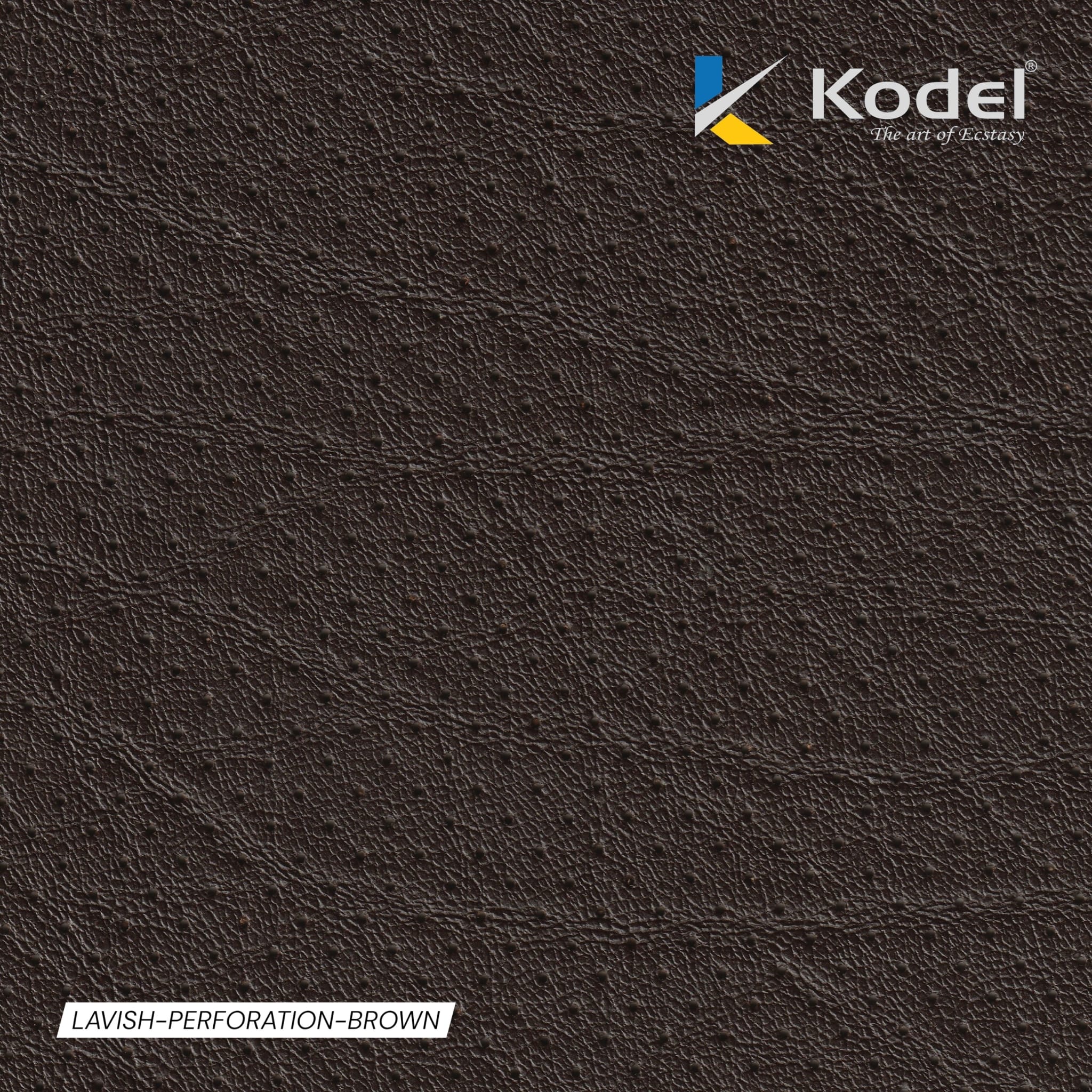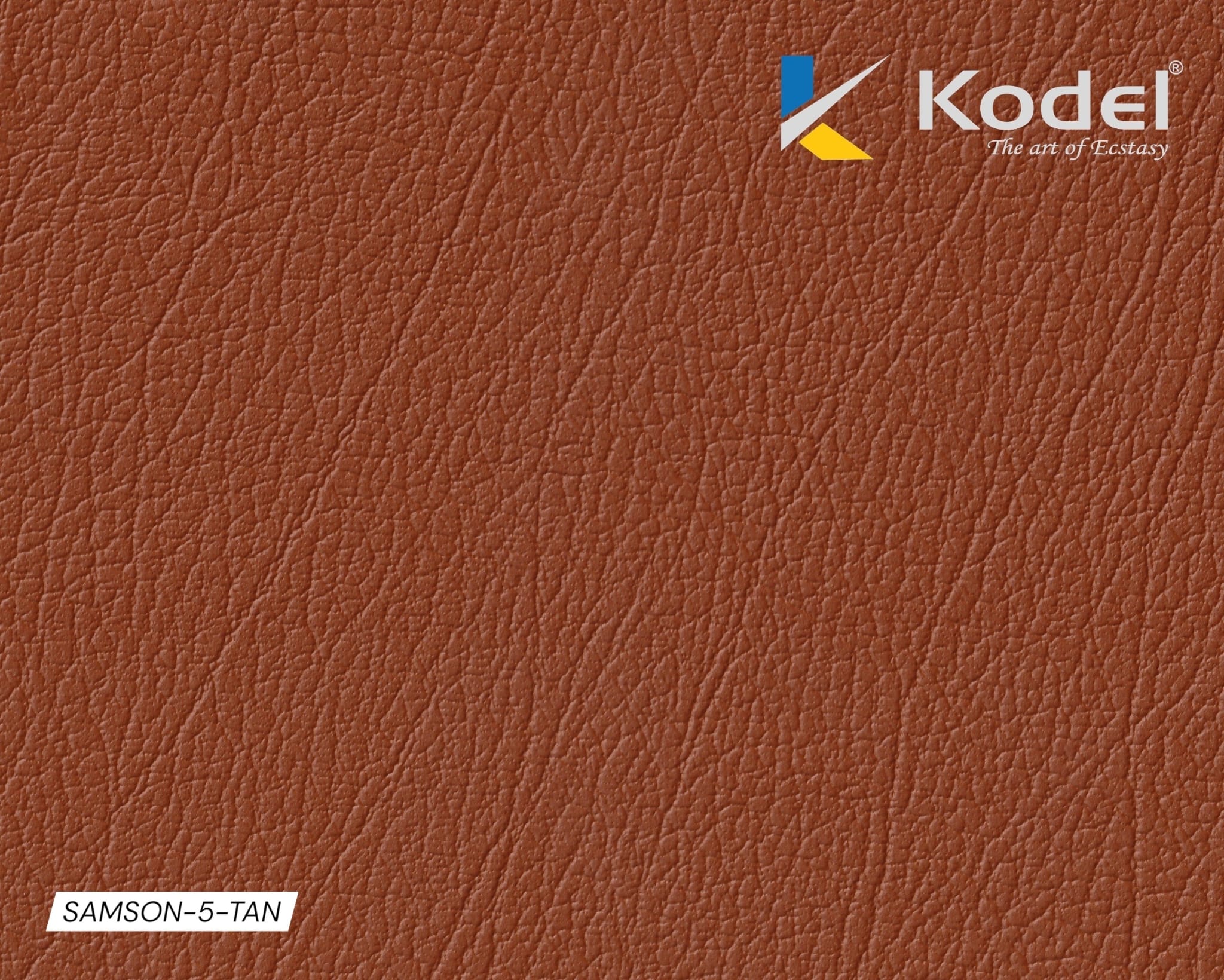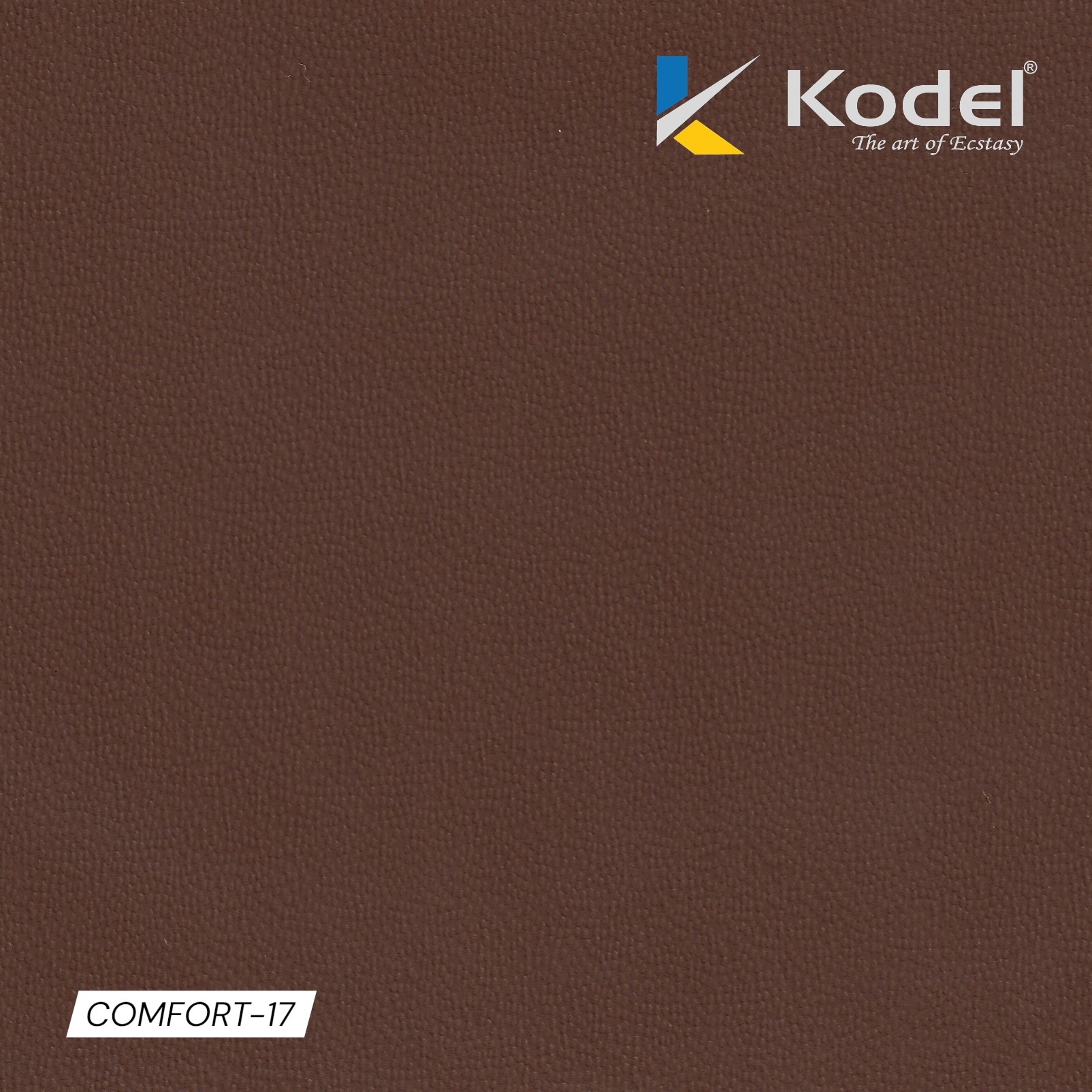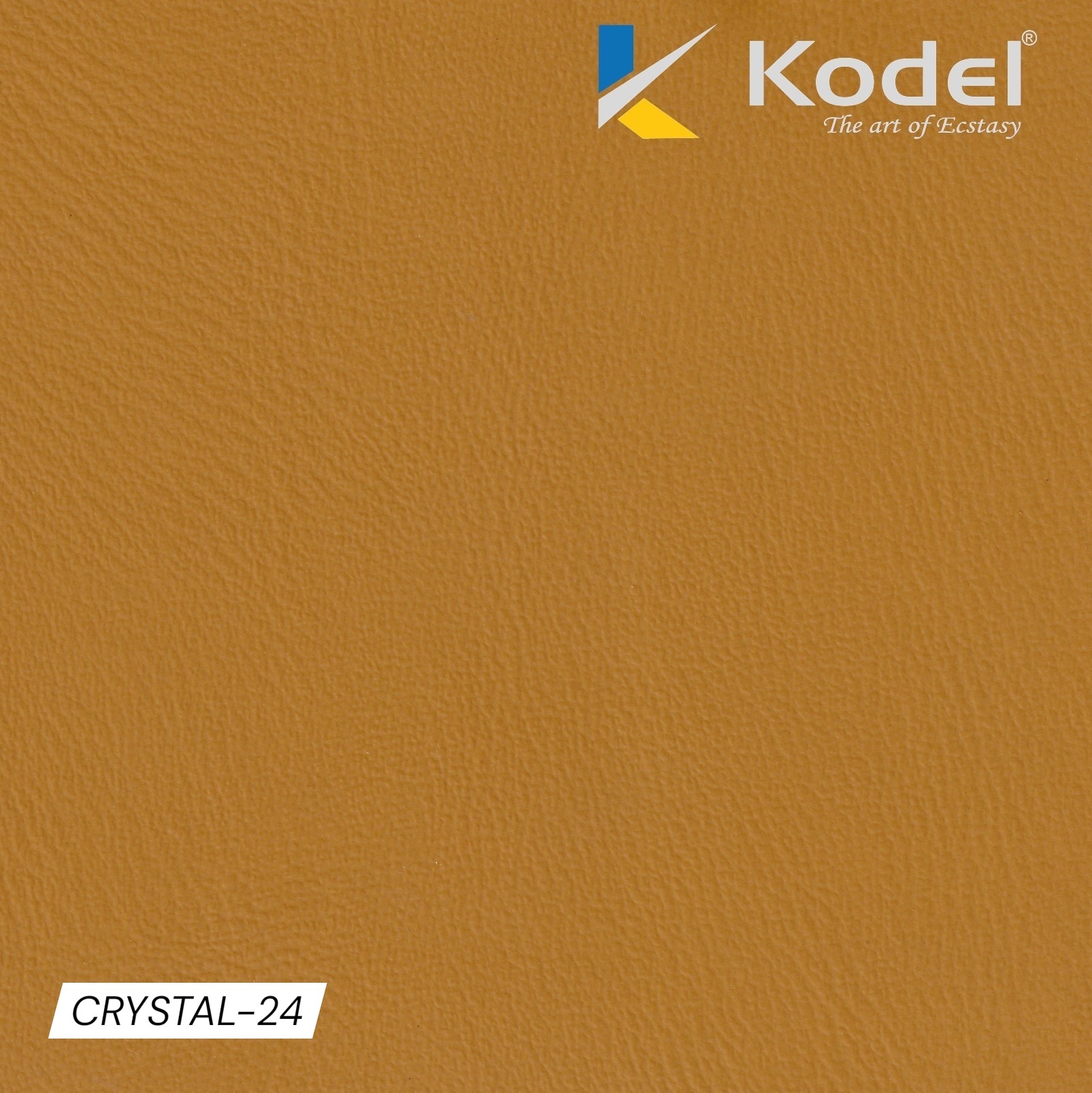
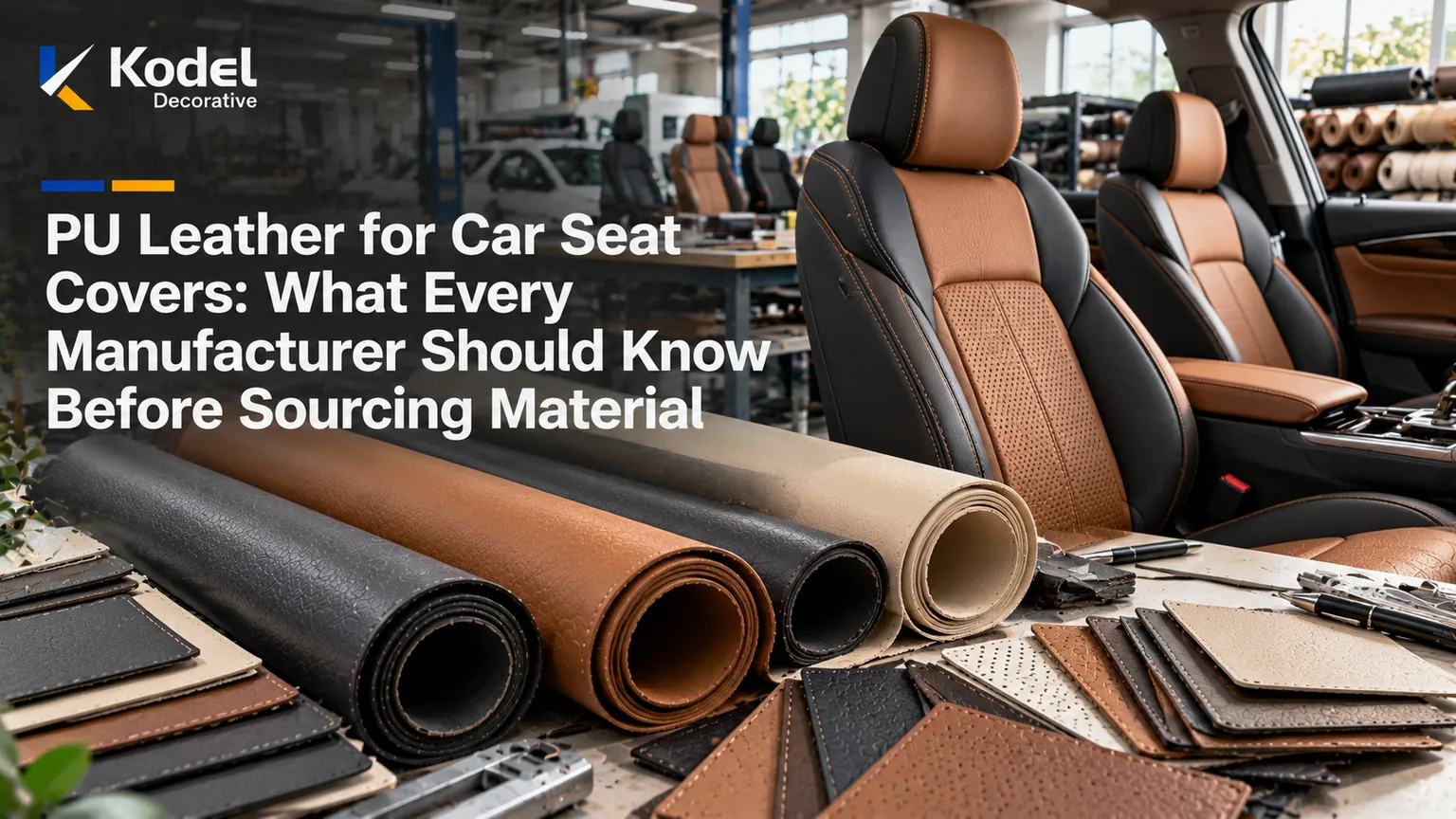
Consumer roundups of the best car seat covers compare finished products, brands like KVD, Pegasus, and AUTOXYGEN, on price, warranty, and fit. What they never explain is the material decision sitting behind every one of those products: which grade of PU or PVC leather the manufacturer chose, and why that choice determines whether a seat cover feels premium for five years or cracks within one. Brands and upholsterers building their own seat cover line start with that decision, sourced from a oem synthetic leather manufacturer rather than a finished-goods marketplace.
This guide covers what actually separates a good car seat cover material from a poor one, the specifications a manufacturer should define before ordering, and how to read past marketing terms like Nappa leather to the construction underneath.
Why Seat Cover Quality Starts With the Material, Not the Stitching
A well-stitched seat cover built from a thin, unstabilized PU coating will still crack, peel, or fade within a season of daily sun exposure, regardless of how good the tailoring looks on day one. Reviews of finished seat covers rarely explain this because the material specification sits one layer below what a retail buyer sees, but it is exactly what determines whether a manufacturer gets repeat orders or a wave of warranty claims.
PU Leather vs PVC Leather for Seat Cover Manufacturing
PU leather is the material most seat cover brands default to, valued for its lighter weight, softer hand-feel, and closer resemblance to genuine hide, all of which matter for a product marketed as a premium interior upgrade. PVC leather appears less often in seat covers specifically, since its stiffer, heavier coating suits flatter panels better than the tight curves and stitched seams a seat cover has to wrap around, though it remains a lower-cost option for budget product lines.
Our PU vs PVC automotive upholstery breaks down this same tradeoff for OEM interior trim, and the same logic applies directly to aftermarket seat cover manufacturing.
What "Nappa Leather" Actually Means on a Seat Cover Label
Nappa is technically a tanning term for a soft, full-grain genuine leather finish, but in the aftermarket seat cover market it is used almost universally to describe a PU leather with a fine, soft-touch grain rather than an embossed pebble texture. Manufacturers labeling their own product as Nappa-style should confirm with their material supplier exactly which grain and coating specification earns that description, since the term carries no enforced technical standard and varies considerably between suppliers.
Key Specifications a Seat Cover Manufacturer Should Define
A complete specification should define base material type, coating thickness and total material weight per square meter, grain pattern and depth, and colorfastness requirements against both UV exposure and repeated cleaning. It should also define stitch tear strength specifically, since a seat cover is sewn along multiple seams that flex constantly with every entry and exit, a stress that flat-panel abrasion testing alone does not capture.
Heat, Cold, and UV Resistance for Cabin Conditions
A car cabin under direct sun regularly reaches surface temperatures far above the outside air, and an aftermarket seat cover installed over the factory upholstery faces this heat cycling with no dashboard shade to soften the exposure. Our synthetic leather for car interiors covers this cabin environment in more technical depth, including why UV-stabilized coatings matter even for a product marketed as an accessory rather than an OEM interior part.
Compliance and Safety Documentation to Request
Confirm REACH compliance and phthalate-free certification for any PVC-based material, and request documentation on airbag compatibility testing if the seat cover design includes side-airbag seams, a feature several finished products already market as a selling point. A phthalate free leather supplier should provide this documentation directly rather than a general compliance claim printed on a spec sheet.
MOQ, Sampling, and Lead Time for Seat Cover Production
Seat cover manufacturers ordering material at production volume should confirm MOQ separately for ready-stock colors versus any custom grain or color match, and should never approve a bulk order without testing a physical sample for stitch strength and colorfastness first. Our MOQ and OEM buyer's guide covers this sourcing process in detail, from specification through sampling to full production.
Building a Product That Outlasts the Warranty Period
Several finished seat cover products on the market advertise warranties of three to five years, a claim that is only credible if the underlying material was actually specified and tested to survive that long under real cabin conditions rather than assumed to perform based on how it looked in a sample swatch. Manufacturers serious about backing their own warranty claims should treat material testing as a production requirement, not an optional step before a bulk order ships.
The Brand Behind the Seat Cover Starts With the Material
Every seat cover brand competing on comfort, style, and durability is really competing on a material decision made long before the first unit reaches a retail listing. Manufacturers who specify coating thickness, UV stabilization, and stitch strength clearly, and who test samples before committing to a production run, build products that earn the repeat orders and warranty claims their marketing promises.
Sourcing from a pvc leather supplier thailand experienced in automotive-grade formulation gives seat cover brands a real foundation for the durability claims they put on the box.
Source Your Seat Cover Material Directly
Kodel Decorative supplies PU and PVC leather formulated for automotive upholstery, including seat cover production, from its Bangkok facility, with samples and compliance documentation available on request. Start your specification: call 0 98 005 8863 or email kodeldecorative@gmail.com. Browse the collection at kodeldecorative.com/collection.