A furniture maker choosing upholstery fabric for a new sofa line faces a decision that shapes everything downstream: how the piece feels in a showroom, how it holds up after three years of daily use, and how consistently it can be reordered across future production runs. Synthetic leather has become the default choice for a large share of furniture production precisely because it offers more control over these variables than genuine hide, provided the maker understands what actually separates a good specification from a generic one.
This guide walks through everything a furniture maker needs to evaluate before committing to a synthetic leather supplier, drawing on the same fundamentals covered in our broader synthetic leather B2B sourcing guide, but focused specifically on furniture production requirements.
Why Furniture Makers Choose Synthetic Over Genuine Leather
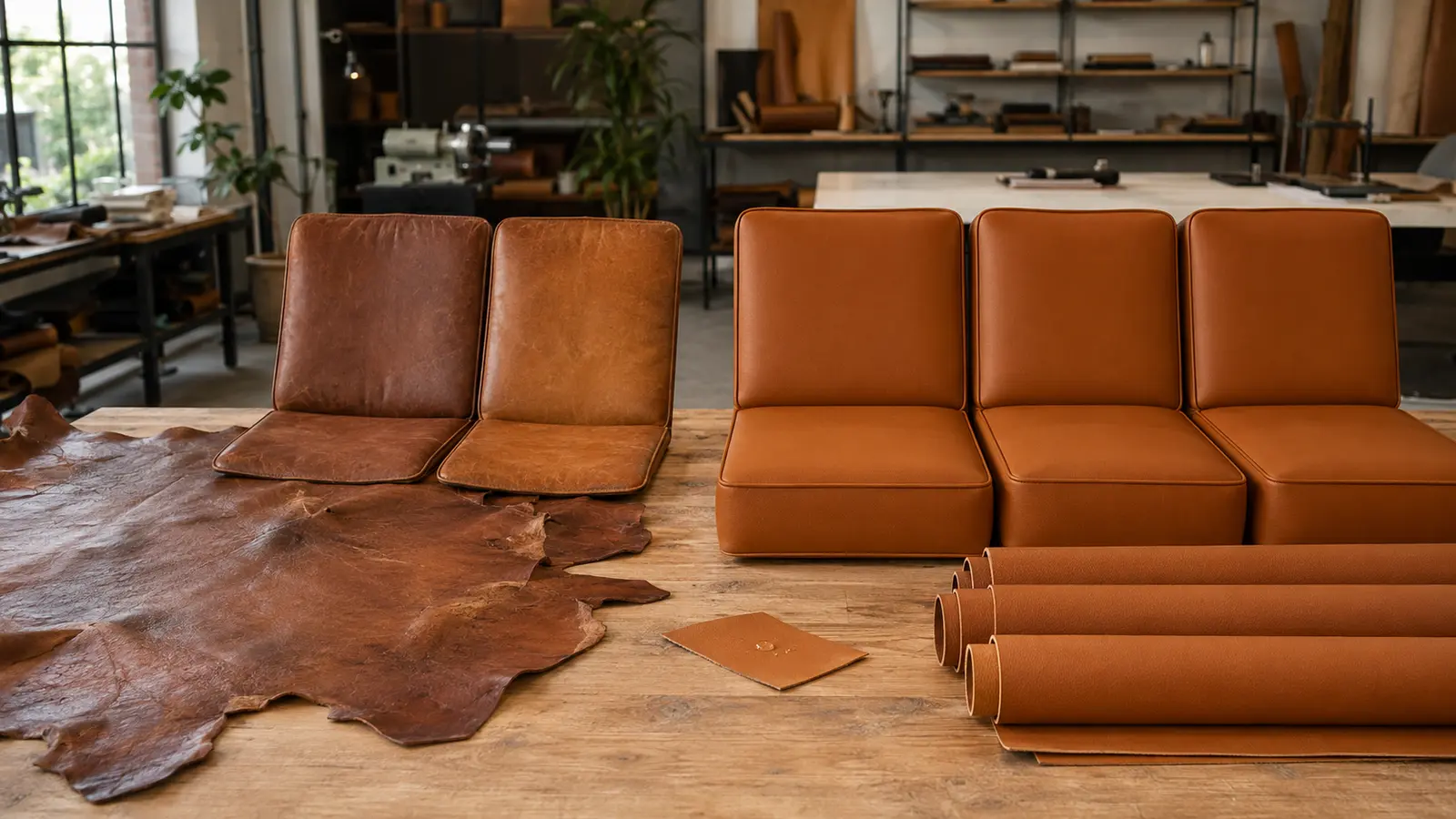
Genuine leather varies naturally from hide to hide, making consistent color and texture matching across a production run genuinely difficult, whereas synthetic leather is manufactured to a controlled specification that repeats reliably batch after batch. Synthetic leather is also considerably more resistant to spills, fading, and general wear across the kind of daily contact abrasion that residential and hospitality furniture faces.
Furniture is one of the largest volume categories among the industries sourcing synthetic leather from Thailand, and that scale is only possible because synthetic leather delivers consistent quality across large production runs in a way genuine hide cannot.
Material Types for Furniture Upholstery: PU, PVC, and Microfiber
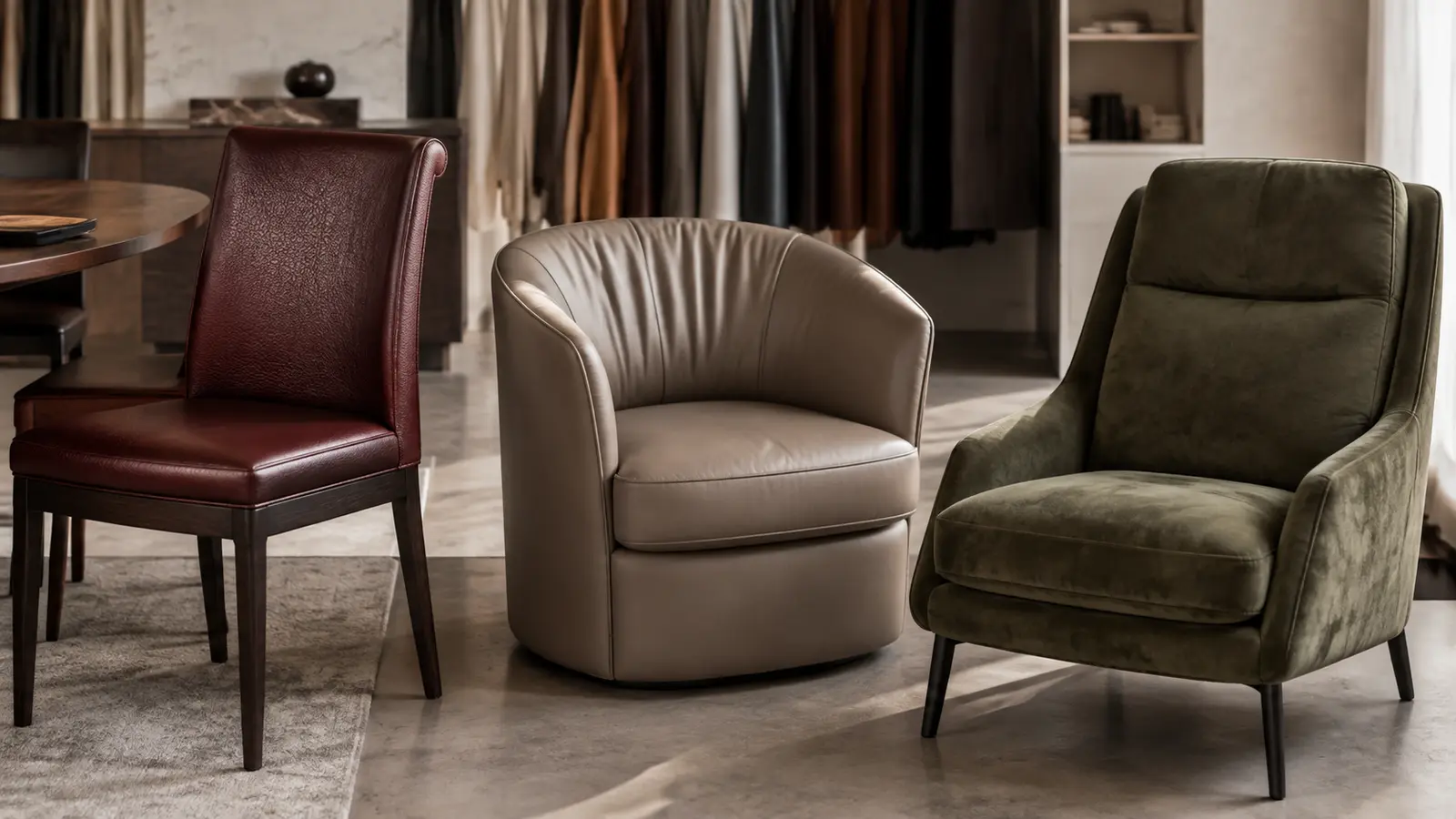
PVC leather is the most common choice for high-contact furniture pieces like sofas and dining chairs, since its denser coating resists scuffing and holds an embossed grain pattern with sharp definition over years of use. PU leather offers a softer, lighter hand-feel better suited to accent pieces and headboards where flexibility and drape matter more than maximum abrasion resistance.
Microfiber leather is increasingly specified for premium furniture lines seeking a suede-like finish; our guide to what microfiber leather is covers this material's construction and where it outperforms standard PU in detail.
Key Specifications to Define for Furniture-Grade Leather
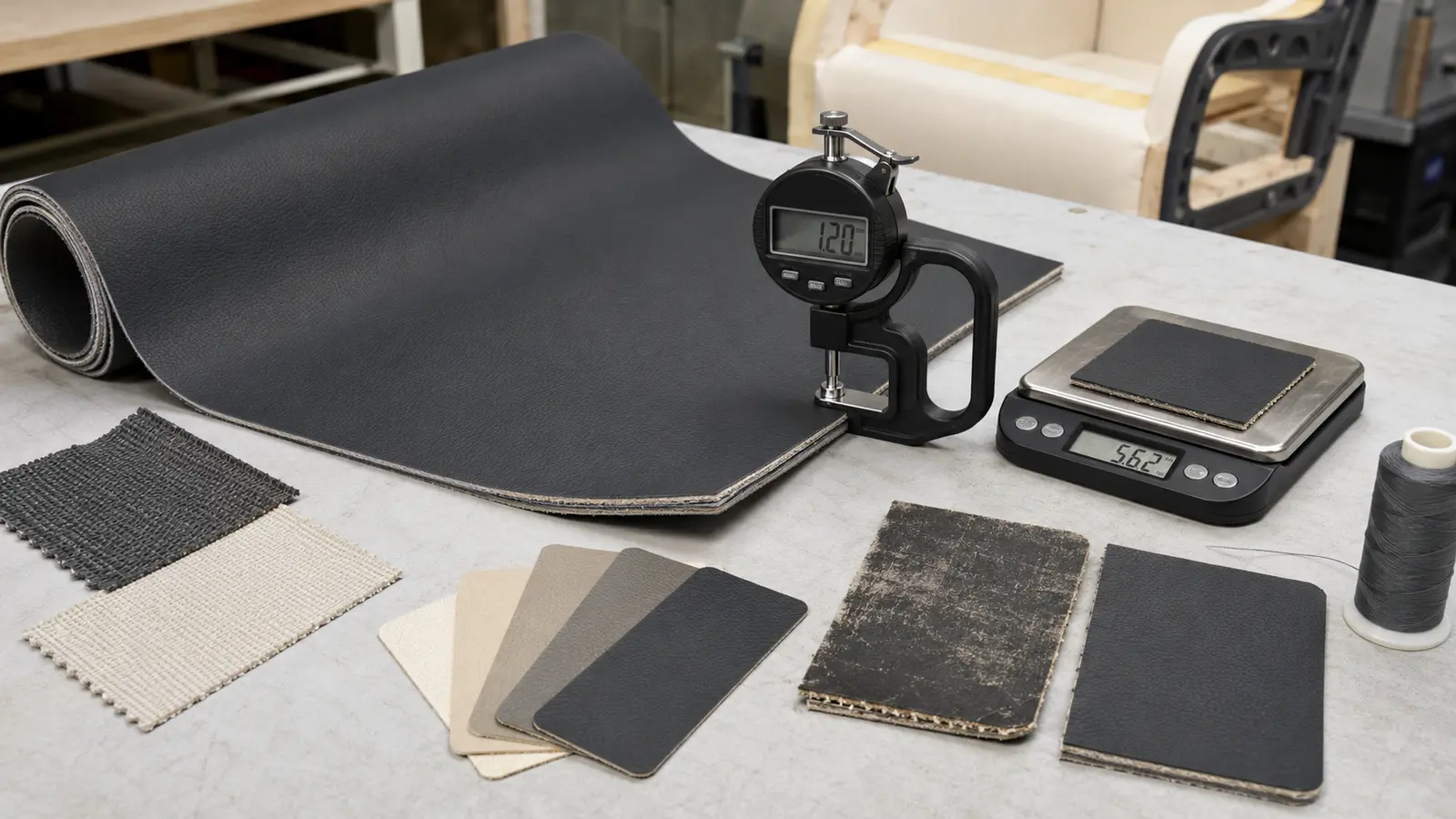
A complete furniture upholstery specification includes base material type, backing construction, coating thickness, and total weight per square meter, along with the exact color match required, ideally against a physical reference swatch rather than a photograph. It should also define abrasion resistance requirements appropriate to the piece's expected use, since a dining chair sees more daily contact than a decorative accent chair.
Working with a pu leather supplier thailand that can speak to these specifications directly, rather than a trading intermediary reselling unverified stock, gives furniture makers far more control over the final result.
Grain, Texture, and Finish Options for Furniture Design
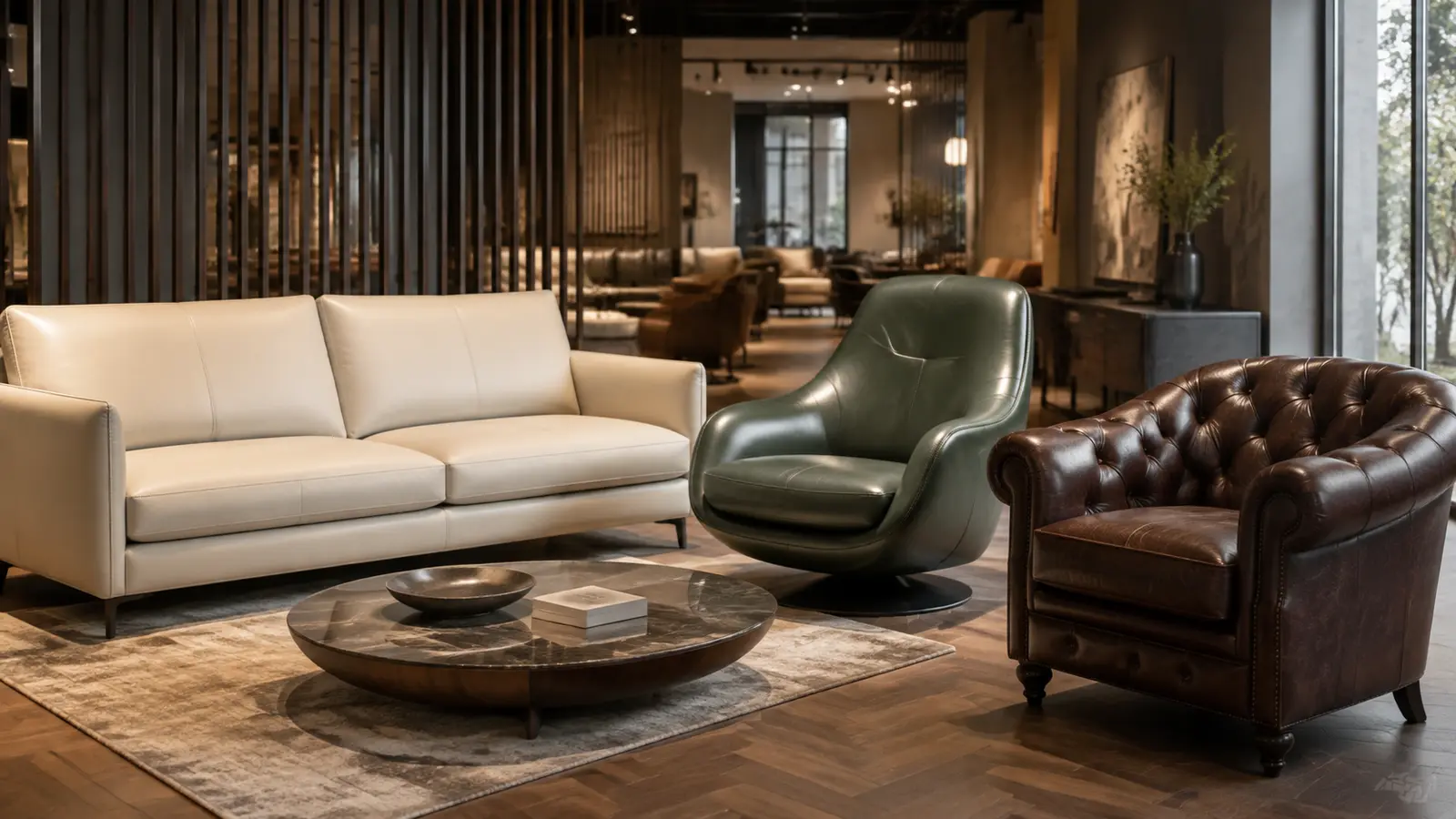
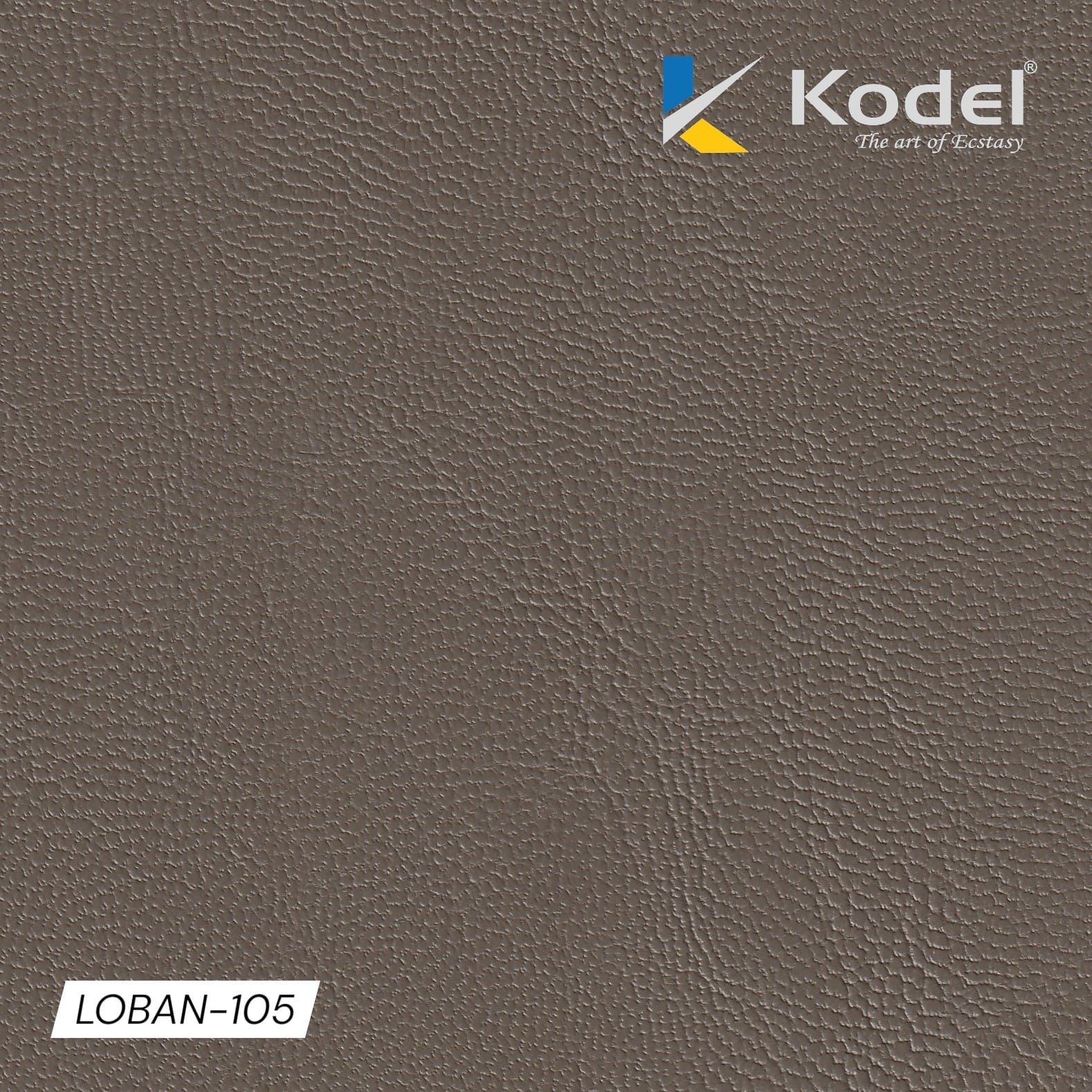
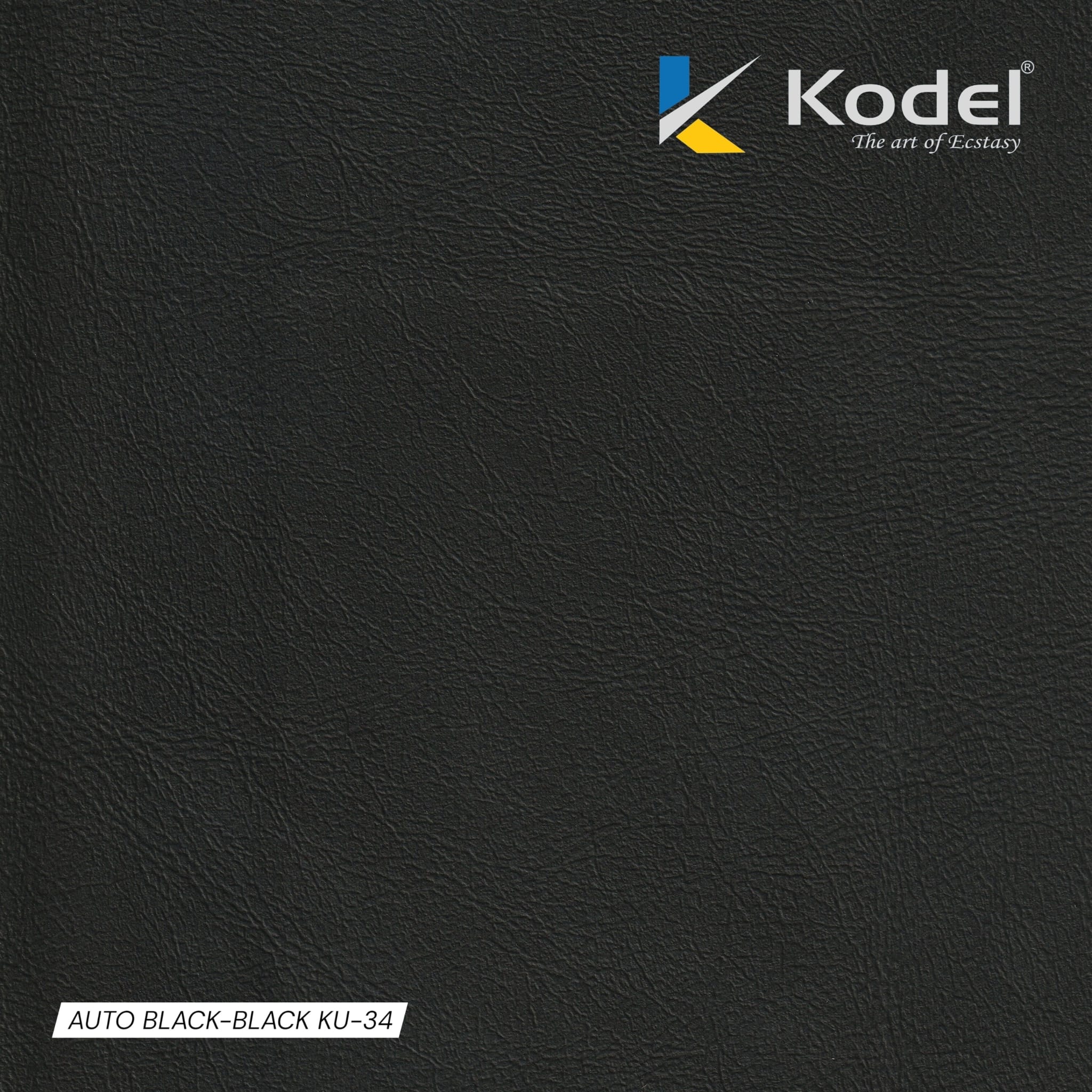
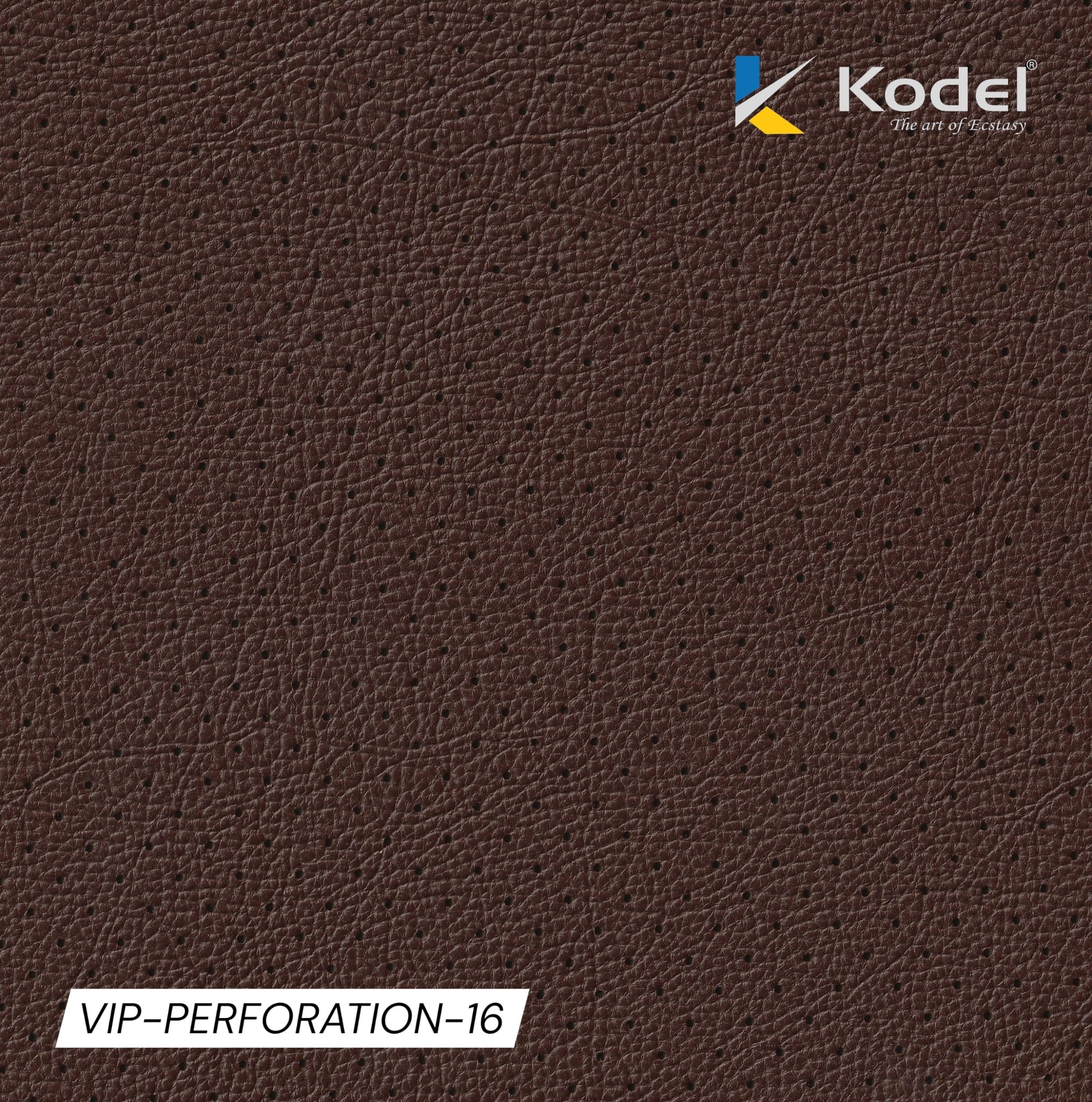
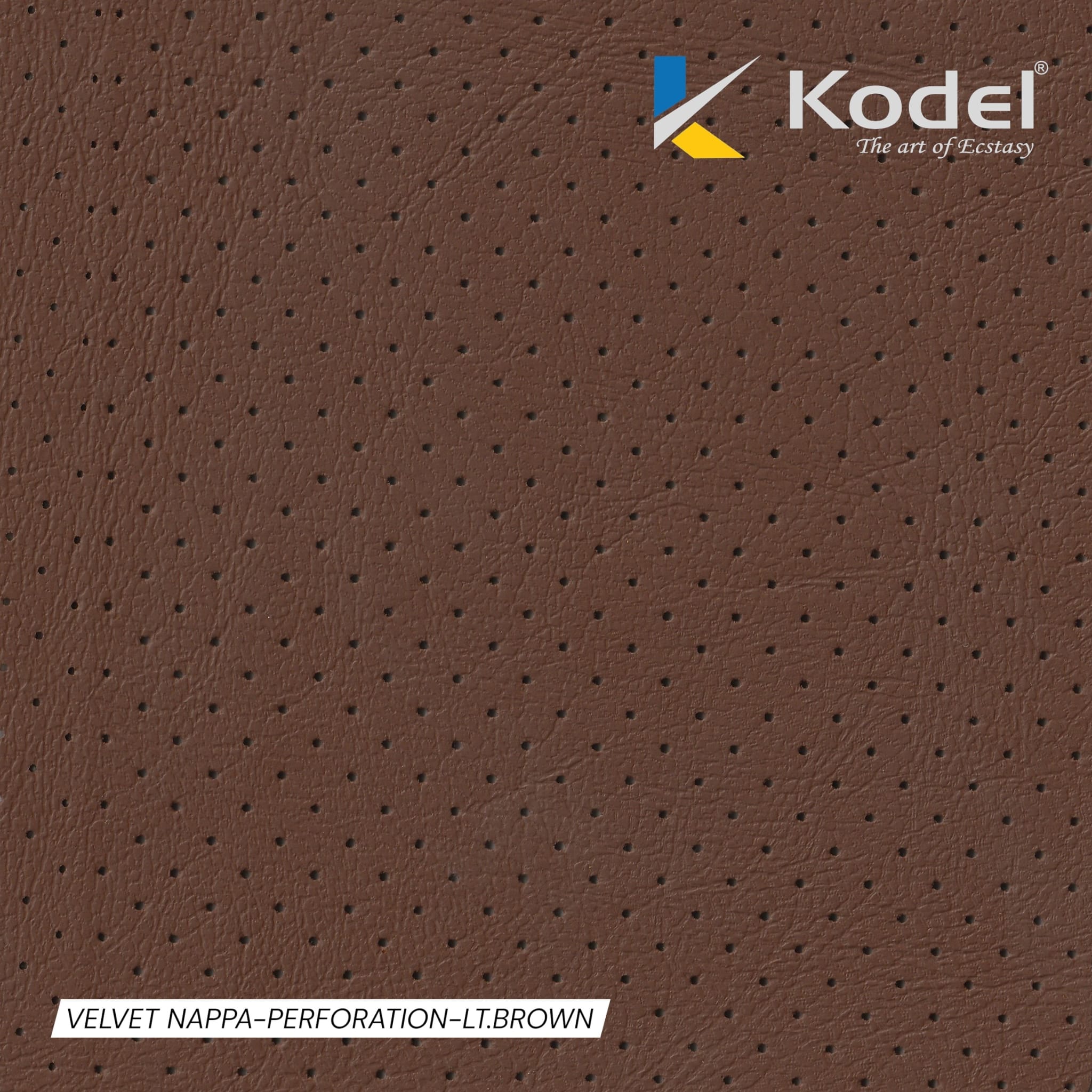
Embossed grain patterns range from subtle pebble textures to deep, pronounced grain that mimics full-aniline genuine hide, and the right choice depends on the furniture style, from clean modern lines to more traditional, textured pieces. Matte, semi-gloss, and textured finishes each read differently under showroom lighting, so requesting physical samples under the lighting conditions a piece will actually be sold or used in matters more than judging finish from a catalog photo.
Furniture makers can browse a wide range of textures and finishes directly through a wholesale pu leather fabric supplier to compare options side by side before finalizing a specification.
Testing and Certification Standards Furniture Buyers Should Know
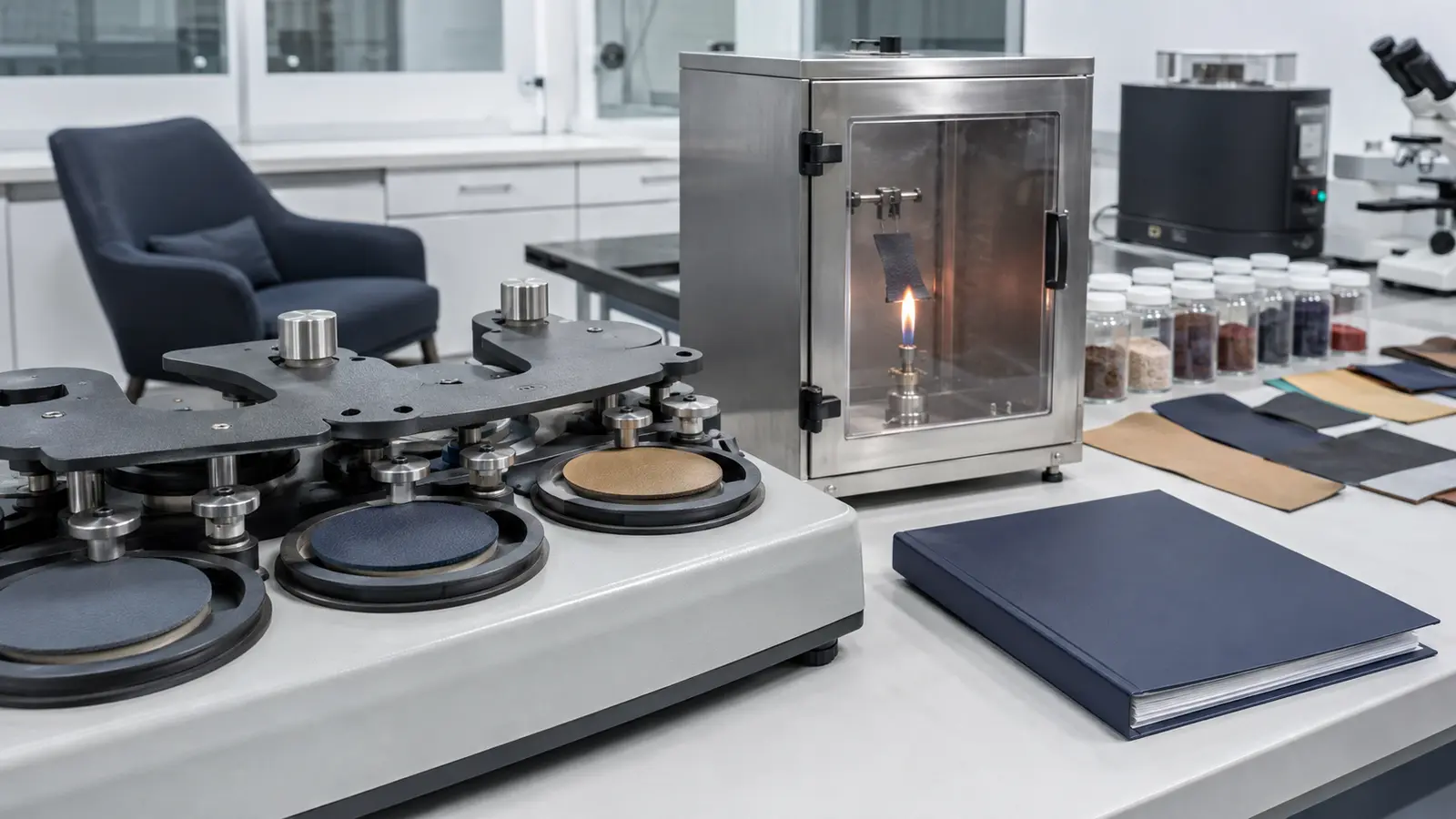
Furniture destined for commercial or hospitality use frequently requires documented fire retardancy ratings, such as BS 5852, in addition to standard abrasion testing appropriate to expected traffic levels. Chemical compliance certifications also matter for furniture sold into markets with strict consumer product regulations.
Buyers should confirm a supplier can produce documentation from a reach certified leather supplier rather than accepting a verbal compliance claim, particularly for furniture exported into the European Union or EU-adjacent markets.
Sourcing and Sampling Process for Furniture Production
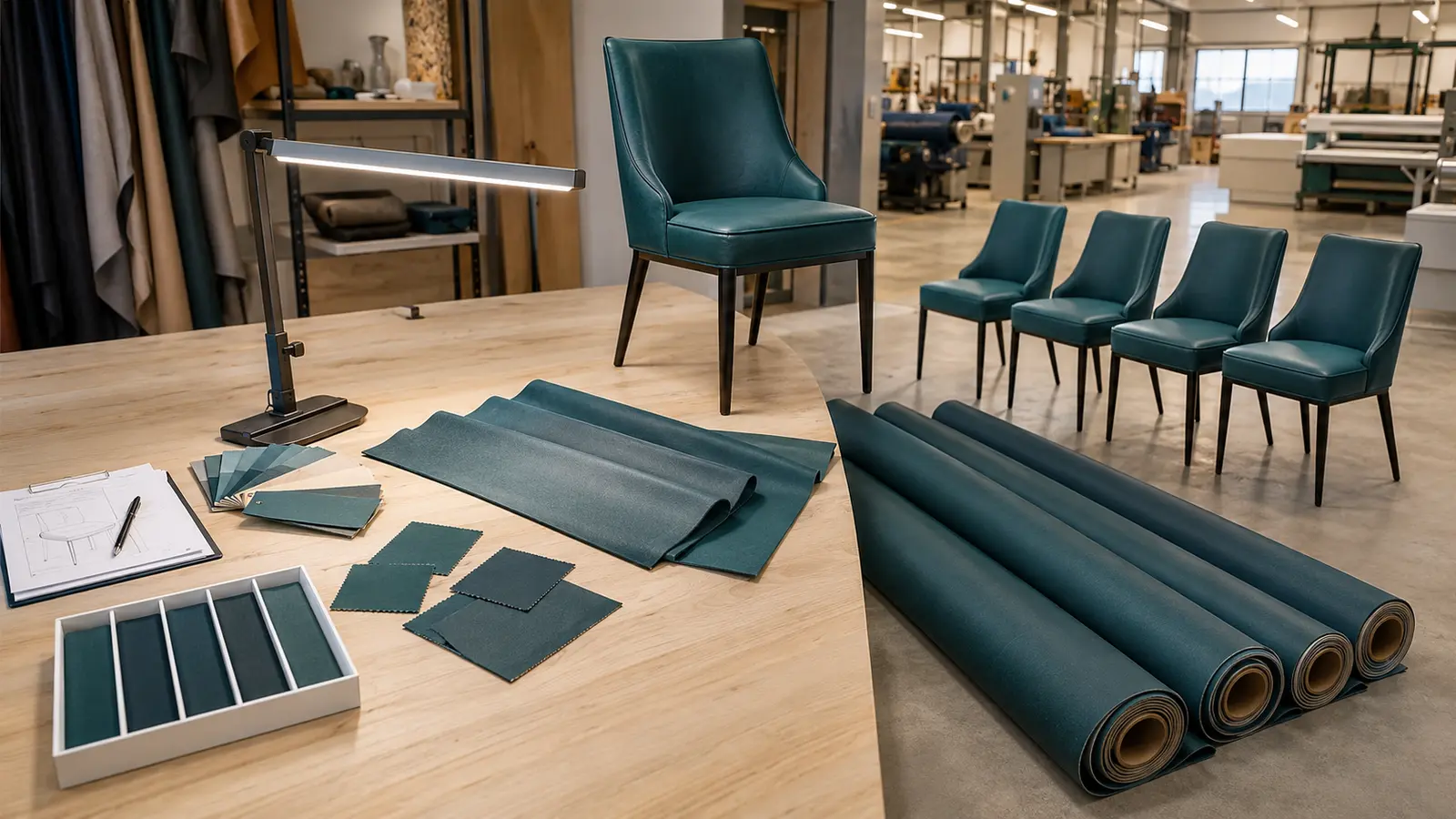
A structured sourcing process moves from specification submission through physical sampling and batch consistency testing before any bulk commitment, catching mismatches while they are still inexpensive to correct. Furniture makers placing recurring orders should also confirm MOQ and lead time separately for ready-stock colors versus any custom color or texture request.
For a full breakdown of what to expect at each stage, see our wholesale buyer's guide to MOQ, sampling, and OEM, which covers minimum order quantities, sampling, and OEM development in detail.
Choosing the Right Supplier for Your Furniture Line
The strongest furniture upholstery suppliers combine direct production control, documented certifications, and a wide enough catalog of textures and finishes that a single relationship can support multiple product lines rather than requiring separate vendors for different pieces. Buyers evaluating a new supplier should weigh sample quality, documentation, and communication responsiveness together, not price alone.
The Right Fabric Starts With the Right Specification
Furniture makers who define material type, grain, certification, and sourcing requirements clearly before approaching a supplier consistently get better outcomes than those who start with a catalog browse and work backward. The specification is what turns a general synthetic leather purchase into a fabric that performs exactly as a furniture line needs it to, batch after batch.
As furniture production scales, working with a single supplier capable of supporting ready-stock, custom color matching, and documented compliance removes the coordination overhead of managing multiple vendors across a growing product range.
Start Sourcing Your Furniture Upholstery Fabric
Kodel Decorative supplies PU, PVC, and microfiber upholstery leather for furniture makers from its Bangkok manufacturing facility, with samples and documentation available on request. Get started today: call 0 98 005 8863 or email kodeldecorative@gmail.com. Browse the current collection at kodeldecorative.com/collection to find your next upholstery fabric.