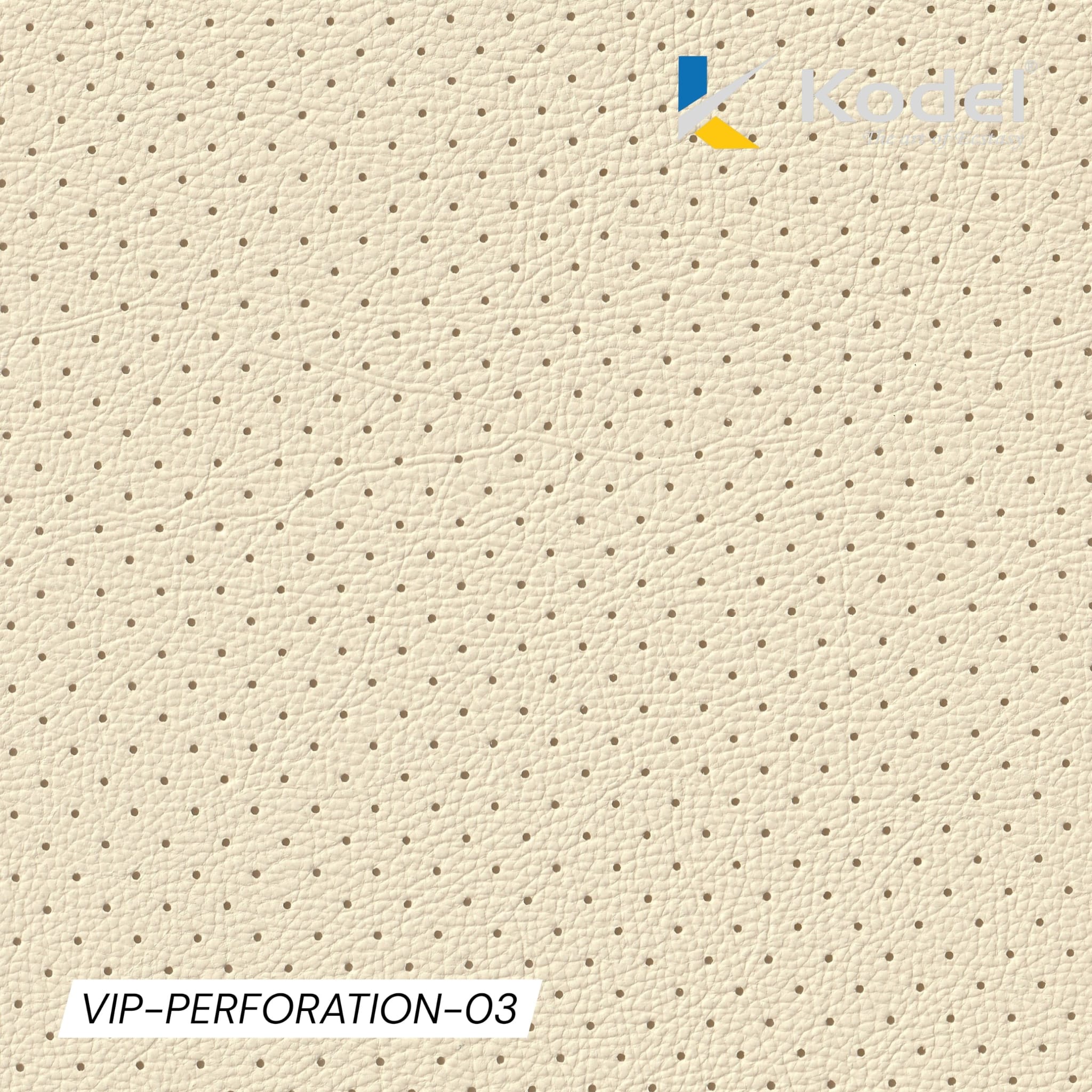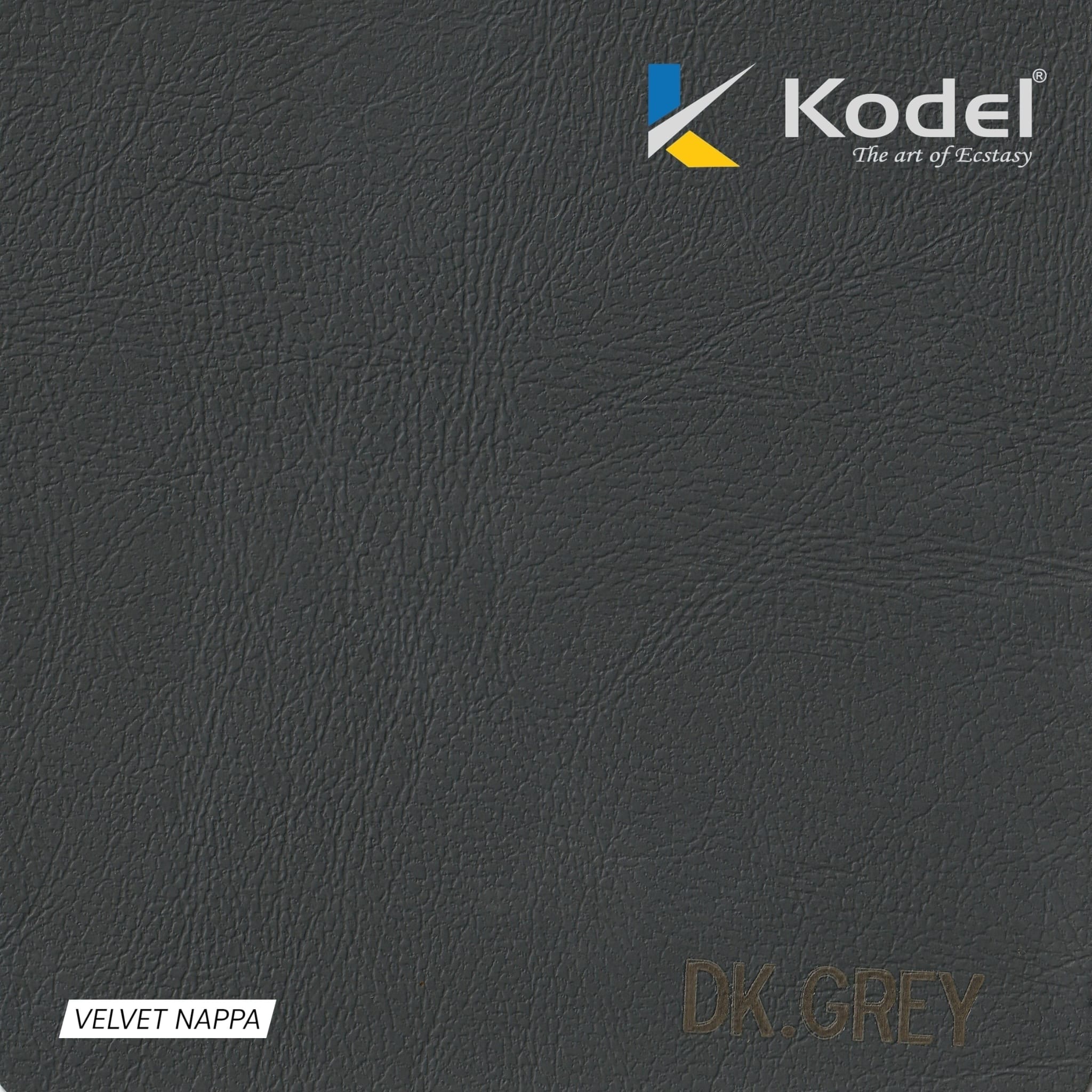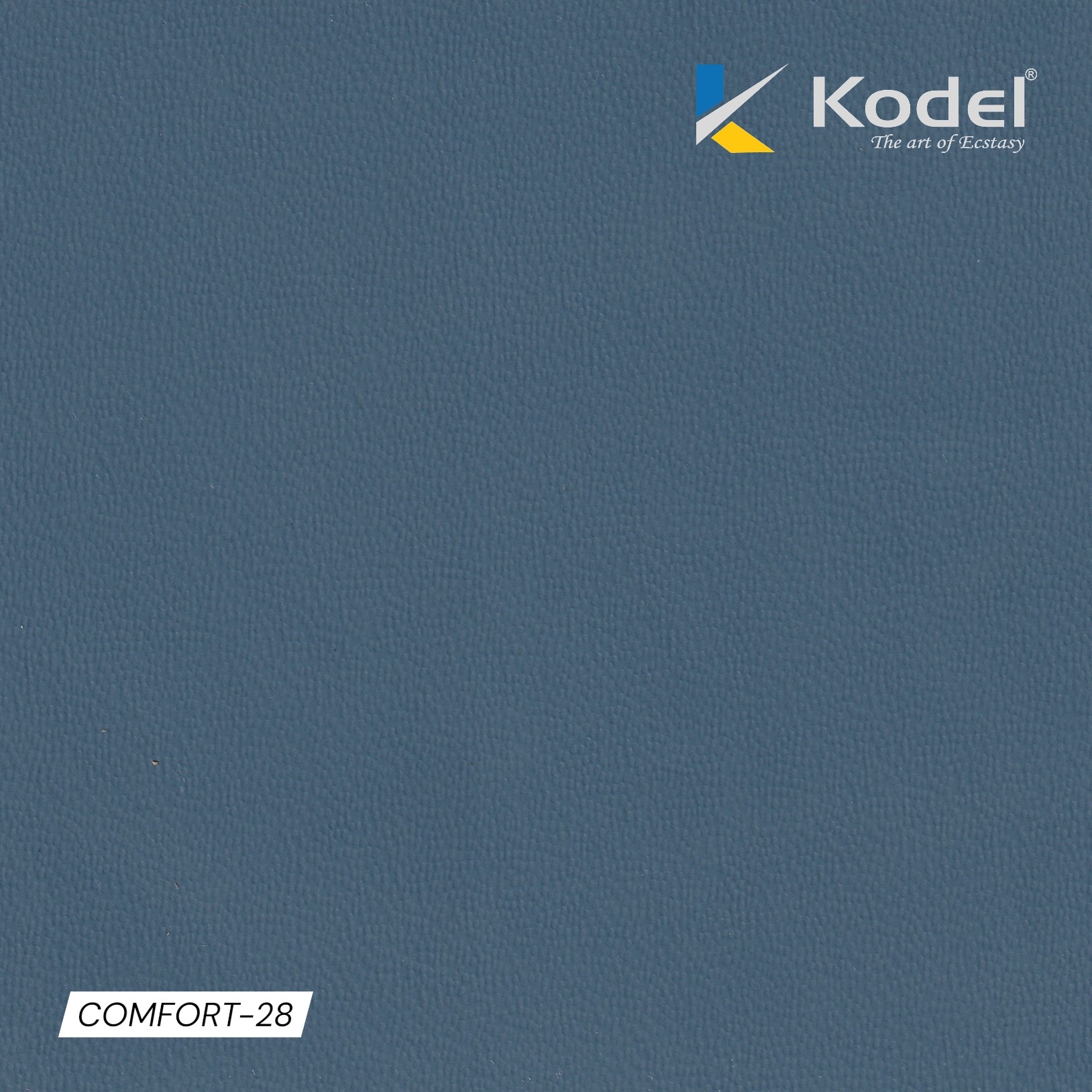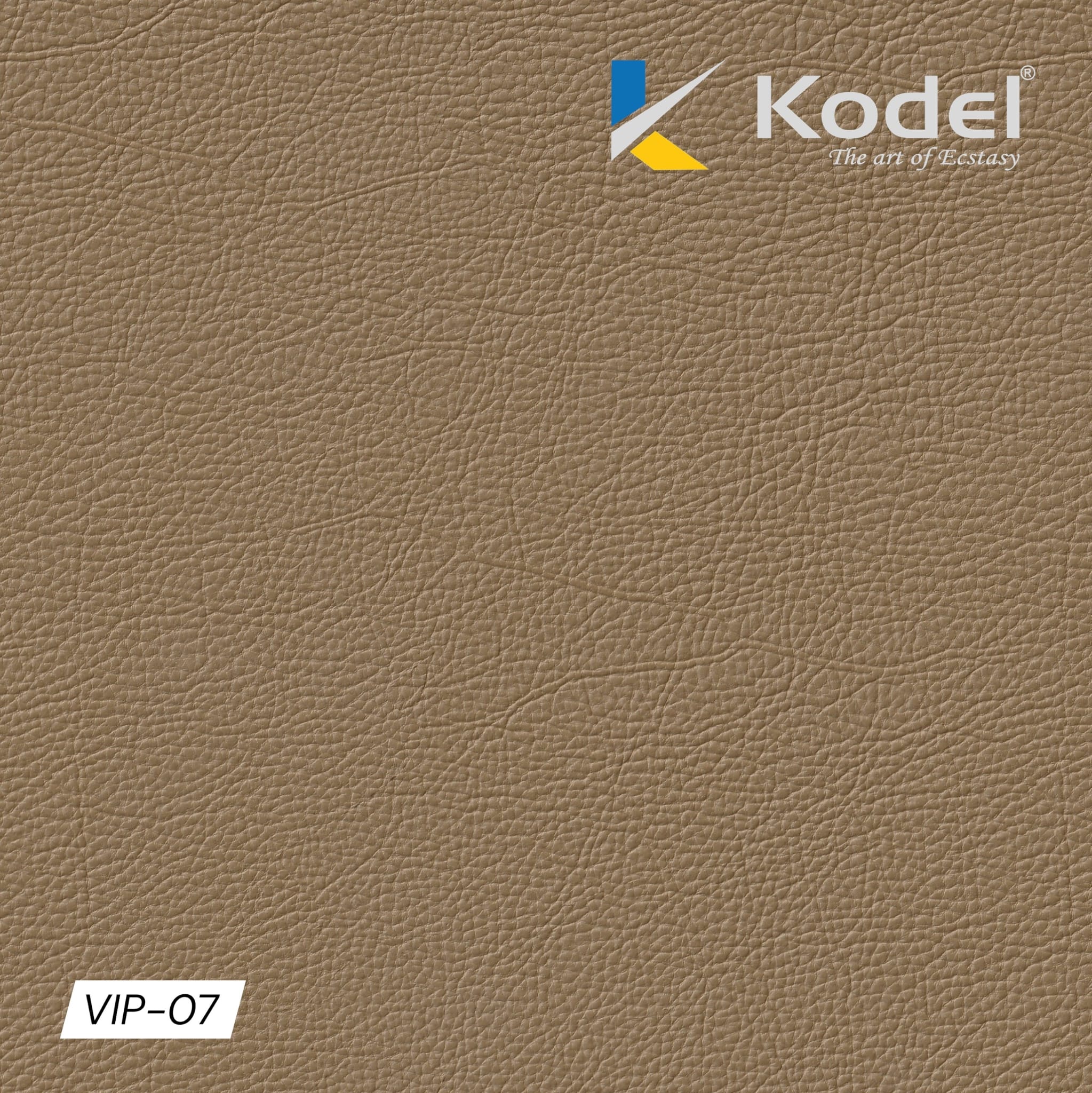
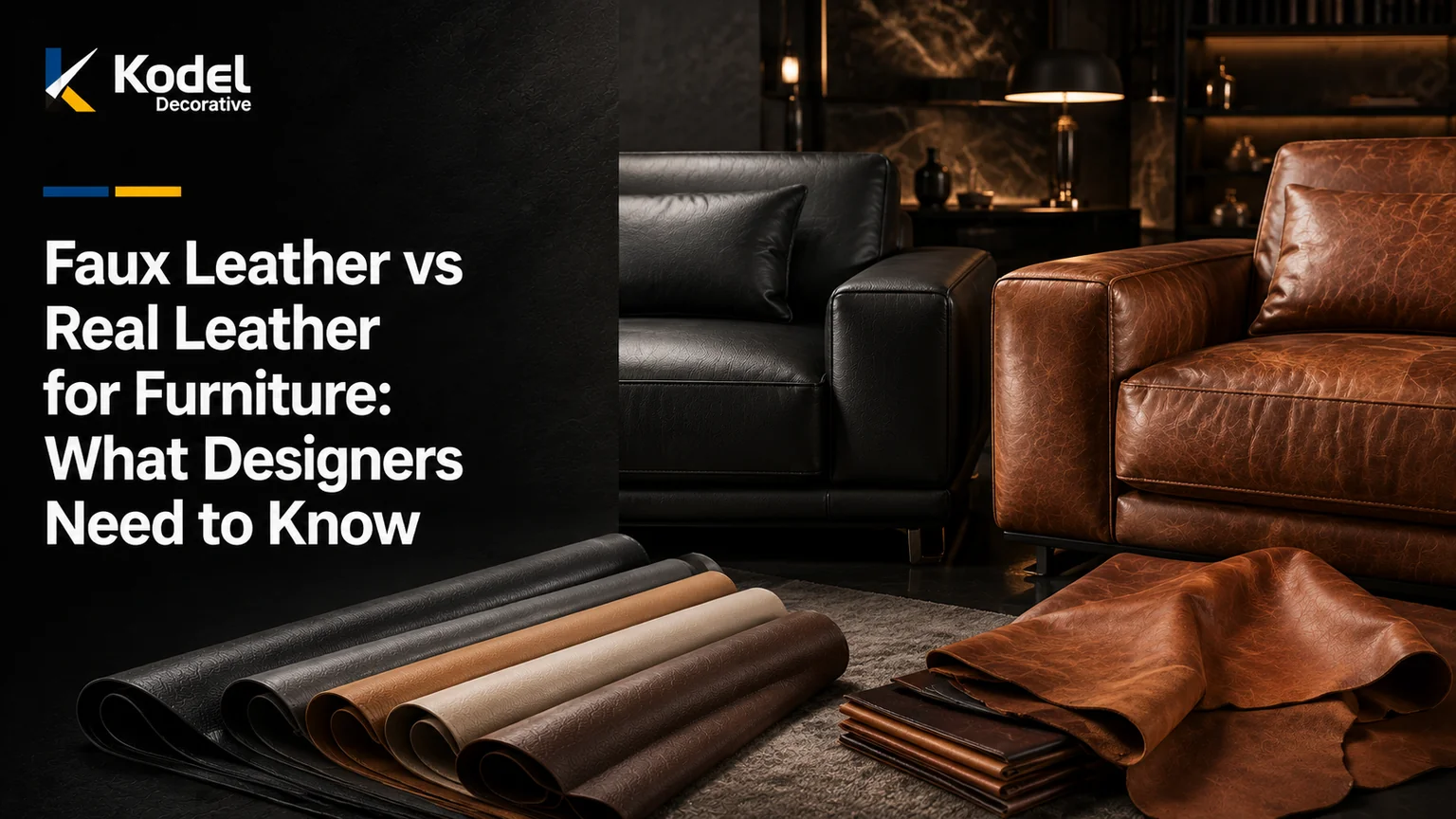
A designer specifying material for a hospitality project needs upholstery that looks identical across two hundred identical chairs, a consistency genuine leather cannot deliver since no two hides grade, dye, or age the same way. A residential client, meanwhile, may specifically request real leather for the natural character and patina that develops with age, a quality synthetic materials are not designed to replicate. Both are legitimate priorities, and the right answer depends entirely on what the project actually needs from the material.
This comparison breaks down where faux leather and real leather genuinely differ for furniture applications, so designers can make the choice based on project requirements rather than assumption or habit.
What Actually Separates Faux Leather From Real Leather
Real leather is a natural material processed from animal hide, meaning its texture, thickness, and grain vary from piece to piece even within the same tannery batch, while faux leather, whether PU, PVC, or microfiber, is manufactured to a controlled specification that repeats consistently. Our manufacturer breakdown of vegan leather covers this manufacturing process in more depth for designers unfamiliar with how synthetic materials are actually made.
Durability and Maintenance Compared
Faux leather generally resists spills, staining, and fading better than untreated real leather, since its coating creates a more consistent barrier against moisture and UV exposure. Real leather requires ongoing conditioning to prevent cracking and typically shows visible wear patterns, sometimes desirable as patina and sometimes not, faster than a well-specified synthetic alternative under equivalent daily use.
Cost and Consistency Across Large Orders
Faux leather costs meaningfully less per meter than real leather and, critically for commercial projects, batches consistently across large orders in a way natural hide cannot match. For a direct material comparison across the three main synthetic categories, see our comparison of PU, PVC, and microfiber leather, which breaks down cost and performance differences buyers should weigh.
Sustainability and Animal-Free Considerations
Faux leather avoids animal-derived material entirely, which has made it the default choice for brands marketing animal-free or vegan-friendly product lines, though its environmental footprint depends heavily on the specific polymer and manufacturing process used. Real leather's environmental impact is tied to livestock production and tanning chemistry, a supply chain that carries its own well-documented sustainability concerns.
For a deeper look at how the two materials compare on environmental grounds, our vegan leather vs real leather breakdown for brands walks through the tradeoffs brands should weigh before making sustainability claims.
Where Real Leather Still Makes Sense
Real leather remains the right choice for projects specifically valuing natural character, the way it ages and develops patina, or where a brand's positioning depends on genuine hide as a stated material. Bespoke, one-off residential pieces where slight natural variation is a feature rather than a flaw also favor real leather over a manufactured alternative.
Where Faux Leather Wins for Furniture Design
Faux leather wins for commercial and hospitality projects requiring color and texture consistency across large quantities, for animal-free product positioning, and for any project where budget and durability against daily wear matter more than natural material character. A pu leather supplier thailand can typically support both ready-stock and custom color matching to meet these project requirements at scale.
Match the Material to the Project, Not the Trend
Faux leather and real leather are not competing on a single scale of better or worse; they serve different project priorities. Designers who evaluate consistency, durability, budget, and sustainability requirements project by project consistently land on the right material more often than those defaulting to whichever material they specified last.
As faux leather manufacturing continues to close the gap on hand-feel and finish quality, more commercial and residential projects are finding it meets requirements that once seemed to demand genuine hide.
Compare Materials Before You Specify
Kodel Decorative's Bangkok showroom lets designers compare faux leather textures and finishes in person before specifying material for a project. Request samples directly: call 0 98 005 8863 or email kodeldecorative@gmail.com. Browse the current range at https://kodeldecorative.com/collection.